

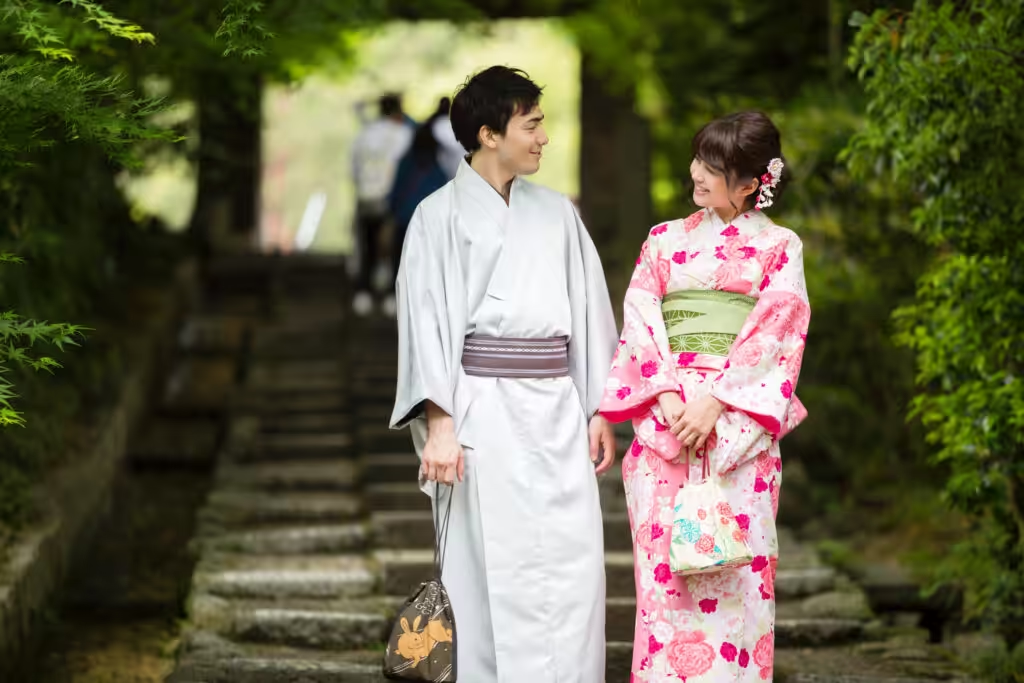
Beyond its breathtaking landscapes, one experience travelers never forget is stepping into the timeless elegance of a traditional kimonos. Today, together with ESIMJAPAN.com, let’s take a deeper look into everything you should know before renting a kimonos in Kyoto. From important considerations when choosing a Kimono, to understanding the cultural meaning it holds for Japanese people, and even the rental costs, this guide goes beyond simply wearing one. Our goal is to help you fully appreciate the tradition behind it and make your Kimono experience in Kyoto 200% more enjoyable
Essential Things to Know Before Your Kimono Rental in Kyoto
Walking along the streets of Kyoto in a Kimono is one of the highlights of traveling in Japan. However, if you go without any prior preparation, you are likely to encounter unexpected inconvenience.
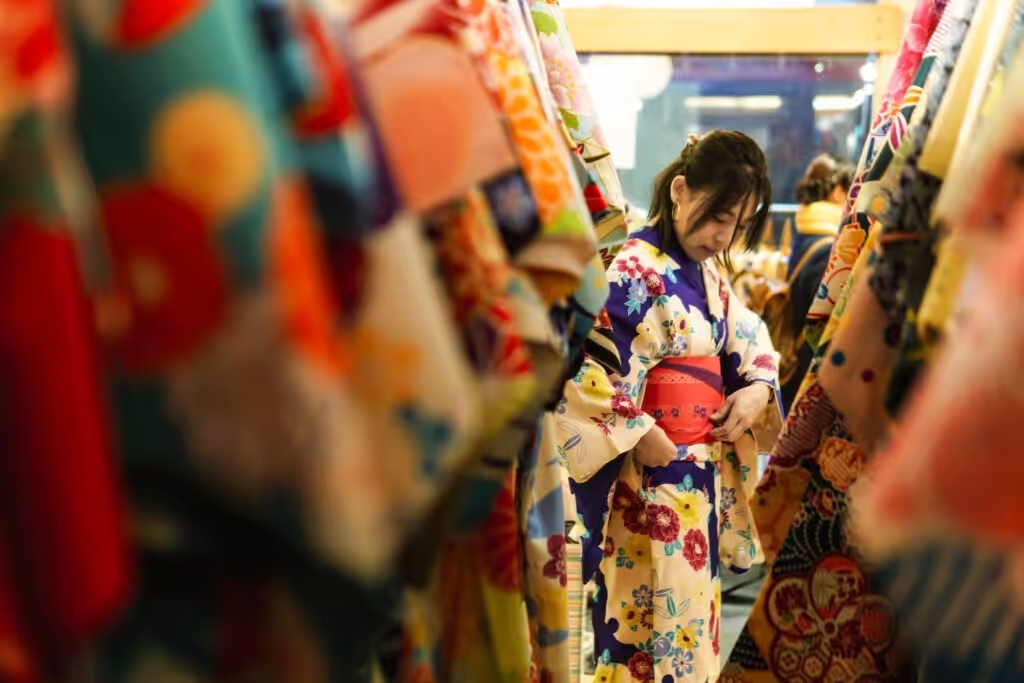
Renting a Kimono typically requires at least 1-2 hours of extra time, as the process includes choosing your Kimono, getting dressed, and even hairstyling, all of which takes longer than one can imagine. While wearing a Kimono, preparing the right undergarments is very important. Wearing a T-shirt or camisole with a low neckline ensures it won’t show through the Kimono, helping you maintain a clean and elegant silhouette.
As Kyoto’s major attractions involve a lot of walking rather than public transportation, we suggest setting aside time to enjoy your day comfortably.
4 Key Things to Consider When Renting a Kimono
1) Understanding the Price Range
Kimono rental prices in Kyoto start at around 2,900 yen (approx.$18.5) for a basic plan, while full-option packages typically cost about 8,250 yen (approx.$53). For a couple’s package, prices usually range from 6,000 to 10,000 yen (approx. $40-65) for two people, with the biggest price difference depending on whether women’s hairstyling is included.
Hairstyling options vary by rental shop, but they generally come with an additional fee of 500 to 2,200 yen (approx $3-14). If you want an early-morning rental, many shops charge an extra 1,100 yen (approx $7) as well.
2) Choosing the Right Location
Walking long distances in a Kimono can be more tiring than you might expect, and Kyoto’s heavy traffic often makes bus or taxi travel slow. For convenience, choose a rental shop near your sightseeing destinations.
Recommended Kimono Rental Areas:
- Around Kiyomizudera: 1–5 minutes on foot to Kiyomizu-dera, close to Sannenzaka and Ninenzaka
- Gion Area: Near Yasaka Shrine and Hanamikoji Street
- Arashiyama: Walking distance to the Bamboo Grove and Togetsukyo Bridge
- Kyoto Station Area: Convenient for subway access and easy connection to various attractions
3) Varieties and Styles of Kimonos
Most rental shops carry anywhere from hundreds to thousands of Kimonos. For example, Kyoetsu offers more than 30,000 Kimonos, including antique and lace styles, while Okamoto stocks over 1,000 Kimonos at each of its locations.
You can choose from a wide variety of designs, including retro, modern, lace, and more, allowing you to find a style that perfectly matches your personal taste.
4) Check for Language Support Services
Many major Kimono rental shops offer multilingual support, including English, Korean, and Chinese. Shops such as Yumeyakata, Rikawafuku, and Okamoto either have Korean-speaking staff on-site or provide an English language guide for international visitors.
Why Experiencing a Kimono in Kyoto is a Must
Wearing a Kimono isn’t just about taking beautiful pictures. A Kimono experience in Kyoto allows you to immerse yourself in Japanese traditional culture, blend effortlessly into Kyoto’s antique streets, and experience a version of yourself you don’t normally see.
Kyoto, a district renowned for its rich history, is filled with iconic photo spots. As a traveler, capturing photos that truly match the city’s charm becomes almost essential when renting a kimono in Kyoto. Strolling through Ninenzaka, Sannenzaka, and the Gion district in a kimono feels like stepping back in time, an experience that many travelers consider a highlight of their visit to Kyoto.
A Kimono also carries deep cultural meaning, as it is traditionally worn during Japan’s most important celebrations, including national holidays, Coming-of-Age Day, and graduation ceremonies. Experiencing this iconic attire for yourself adds meaningful cultural depth, making your Kyoto Kimono experience even more special.
Traditional Ways Japanese Wear Kimonos
In modern Japan, Kimonos are mainly worn by women during special occasions such as formal ceremonies and weddings. In daily life, most people opt for the more comfortable and lightweight Yukata, typically worn in summer or at festivals.
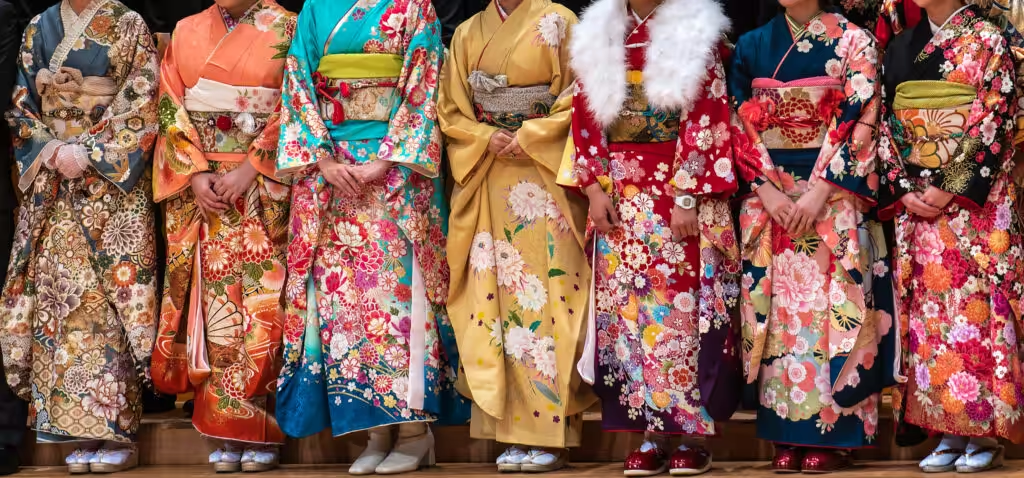
During Coming-of-Age Day (held every second Monday of January), unmarried women wear a Furisode, a brightly colored Kimono with long, flowing sleeves. For graduation ceremonies, it is traditional to layer a Hakama over a Kimono. Because formal Kimonos made of fine silk can cost from hundreds of thousands of yen to the millions with luxury pieces, most people choose to rent rather than purchase. It’s even common for parents to save money over several years so their daughters can wear a beautiful Furisode for Coming-of-Age Day.
Yukata vs. Kimono: What’s the Difference?
Difference in Material
Kimonos are typically made from luxurious fabrics such as silk, while Yukatas are made from lightweight, breathable materials like cotton or hemp. This difference in fabric affects not only how they feel when worn, but also their price, comfort level, and level of formality.
When each Style is Worn
Kimono comes in various types suitable for different seasons, making them wearable throughout the year. Yukatas, however, are mainly worn during the summer months (June–September). Most Yukata rentals are limited to June to September, and during this season, shops also offer lightweight summer Kimonos.
Difference in How They Are Worn
While wearing a kimonos, you layer a juban undergarment underneath and wear tabi socks with zori sandals. On the other hand, Yukatas are typically worn barefoot with geta (traditional Japanese wooden sandals).
A Kimono requires multiple layers of clothing, along with a more complex obi tying process, which takes time and skill. In contrast, Yukatas are simpler and easier to wear, making them especially popular for summer festivals and fireworks events.
Difference in Formality
Yukatas were originally used as bathrobes or sleepwear, and today they are considered casual attire, commonly worn at summer festivals, fireworks shows, and seasonal events. On the contrary, a kimono is a formal traditional garment worn for important occasions, such as weddings, coming-of-age ceremonies, and other significant celebrations.
Kimono Rental Costs in Kyoto
Basic Plans
Basic plans include options such as the Standard plan, a full-option plan, and a separate option for Couples. The approximate cost for each option is as follows:
- Standard Plan: 2,900–4,180 yen (approx. $18-25)
- Premium Version: 8,000–8,250 yen (approx. $50-53)
- Couple’s Package: 6,000–10,000 yen (for 2 people) (approx. $38-63)
Additional Fees (Optional)
- Hairstyling: 500–2,200 yen (approx. $3-14)
- Early-Morning Rental (Jojo): 1,100 yen (approx. $7)
- Next-Day Return: 550–1,100 yen (approx. $3-7)
- Professional Photoshoot: Price upon request
- Luggage Storage: Free for small items (Large suitcase: 550 yen, approx. $3)
Money-Saving Tips
- Visit after 10:00 AM to avoid early-morning extra fees
- Style your own hair instead of adding the hairstyling option
- Return the Kimono on the same day to save on next-day return fees
- To receive special discounts, book online in advance
- Use a couple’s package, which is often cheaper than renting individually
Kimono Rental Hours
Standard rental hours
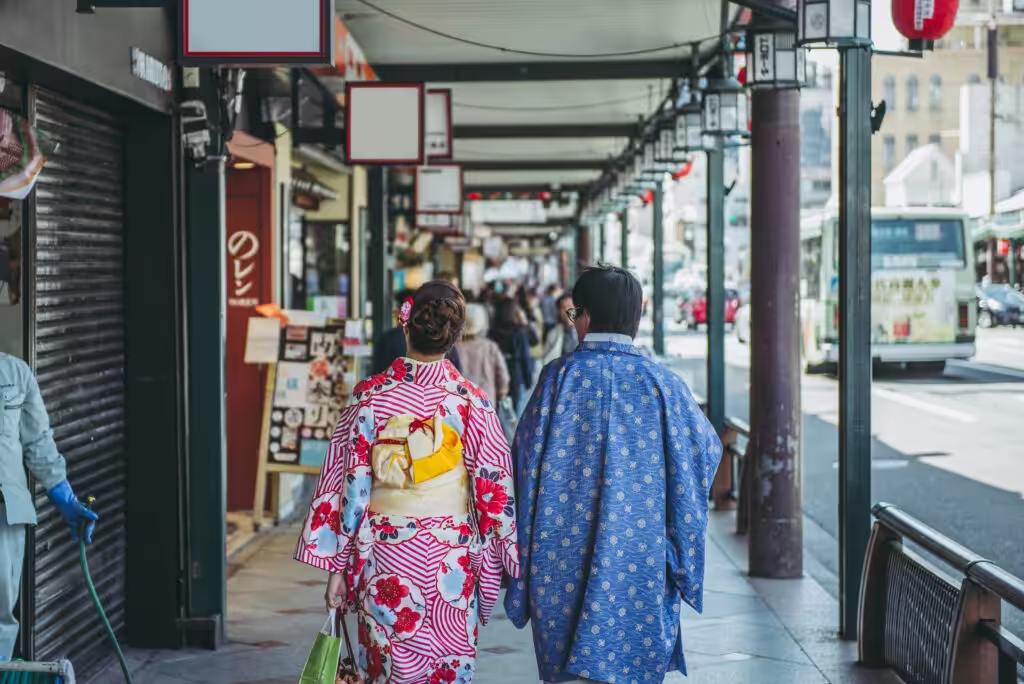
Most Kimono rental shops accept customers from 10:00 AM to 4:00 PM, and return the Kimono by 5:30 to 6:00 PM for the same-day plan. If your reservation is after 12:00 PM, next-day return is free. For reservations before 12:00 PM, next-day return is available at half price.
Early-Morning Rental
If you’d like to start your Kimono experience early, you can book a 9:00 AM or 9:30 AM slot. A 1,100 yen (approx $7) early-morning fee applies. This option is highly recommended for those who want to avoid crowds at popular sightseeing spots and take photos in a more relaxed atmosphere.
Next-Day Return
With the next-day return option, you can return the Kimono by 5:00 PM the following day, allowing you to enjoy your Kimono experience without worrying about time. Some shops also offer return by hotel pickup or convenience store drop-off for about 550 yen (approx $3).
Time Needed for Dressing and Preparation
When planning your visit, remember that a considerable amount of time is required for choosing and dressing:
- Choosing your Kimono: 30 minutes–1 hour
- Getting dressed: 20–30 minutes
- Hairstyling: 30 minutes–1 hour
Since the entire process can take 2–3 hours in total, it’s best to plan enough time for a smooth and enjoyable experience.
A Guide to Choosing the Right Kimono
Check-in and Registration
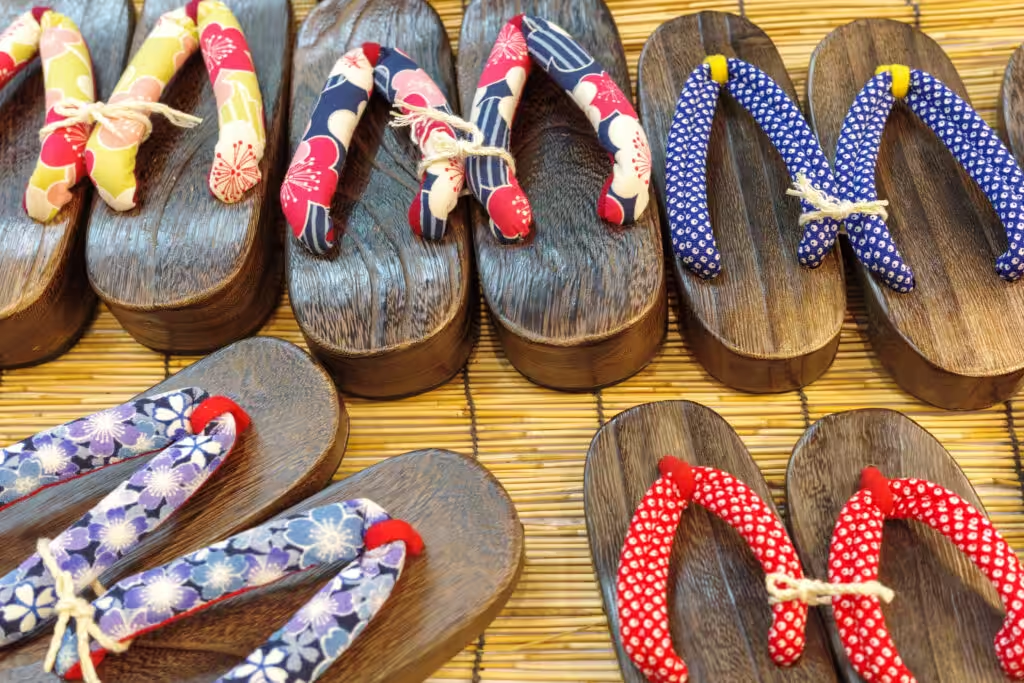
Upon arrival at the rental shop, your reservation will be confirmed, and you can then select the rental plan that suits your needs. Additionally, there is no need to worry if you are carrying a suitcase, as they offer free luggage storage.
Choosing Your Kimono
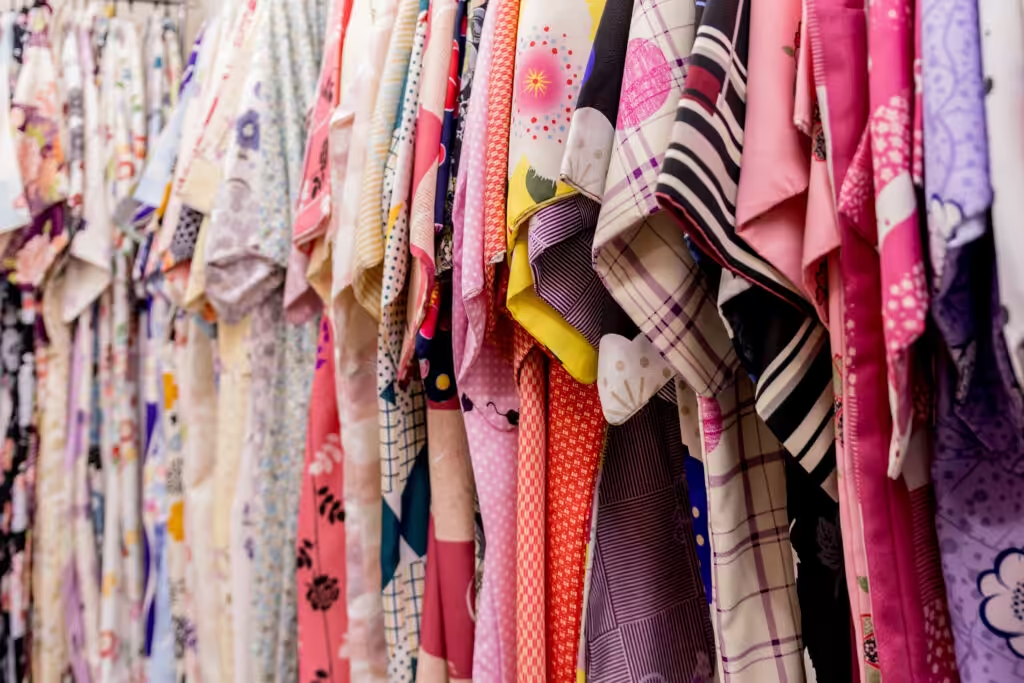
In most rental shops, they offer more than 1,000 Kimonos to choose from, and you can select based on the plan you have chosen. You can select from a wide variety of styles, including cute, elegant, chic, classic, or something unique, as well as from different branded Kimono designs.
There is an extensive selection ranging from retro styles and antique designs to lace kimonos to modern patterns. So it’s best to take your time and choose the one that suits your taste.
Choosing Accessories
After selecting your Kimono, you’ll choose accessories such as the obi (belt), bag, and footwear. At Kyoetsu, you can freely pick accessories, including obi decorations, from a wide variety of options. From retro-style pieces to pearl-accented or lace accessories, there are plenty of styles available to perfectly match your Kimono.
Dressing and Hairstyling
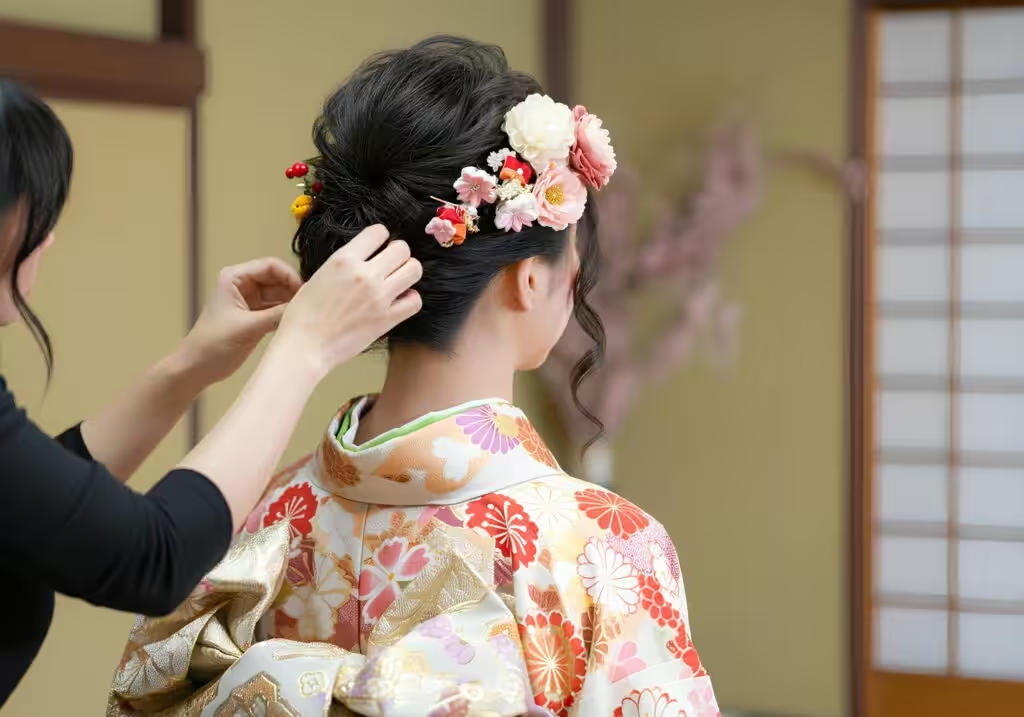
Skilled staff will guide you through the dressing process, tailoring the kimono to fit you comfortably and beautifully. If you choose the hairstyling option, your hair will be styled to match the look you prefer. Customers who add the hairstyling option can also enjoy free access to a variety of hair accessories, allowing them to add as many decorative pieces as they like.
How to Choose Kimono Color and Patterns
When selecting a kimonos, it is essential to consider the color, pattern, and overall style together.
Color Selection Tips
- Bright Colors (pink, light green, sky blue): Create a fresh, youthful look; ideal for spring and summer
- Dark Colors (navy, purple, maroon): Gives a classy and calm impression; perfect for autumn and winter
- Pastel Tones: Ideal for soft and romantic atmosphere
- Vivid Colors: Bold, expressive, and eye-catching
Pattern Selection Tips
- Floral Patterns: The most traditional and feminine style
- Geometric Patterns: Modern, stylish, and minimal
- Animal Motifs: Symbolize good fortune, prosperity, and longevity
- Solid Colors: Simple, elegant, and timeless
Choosing colors and patterns that match your skin tone, body shape, and personal style will help you achieve the most satisfying and beautiful Kimono look.
Kimono Styling Guide: Types and Variations
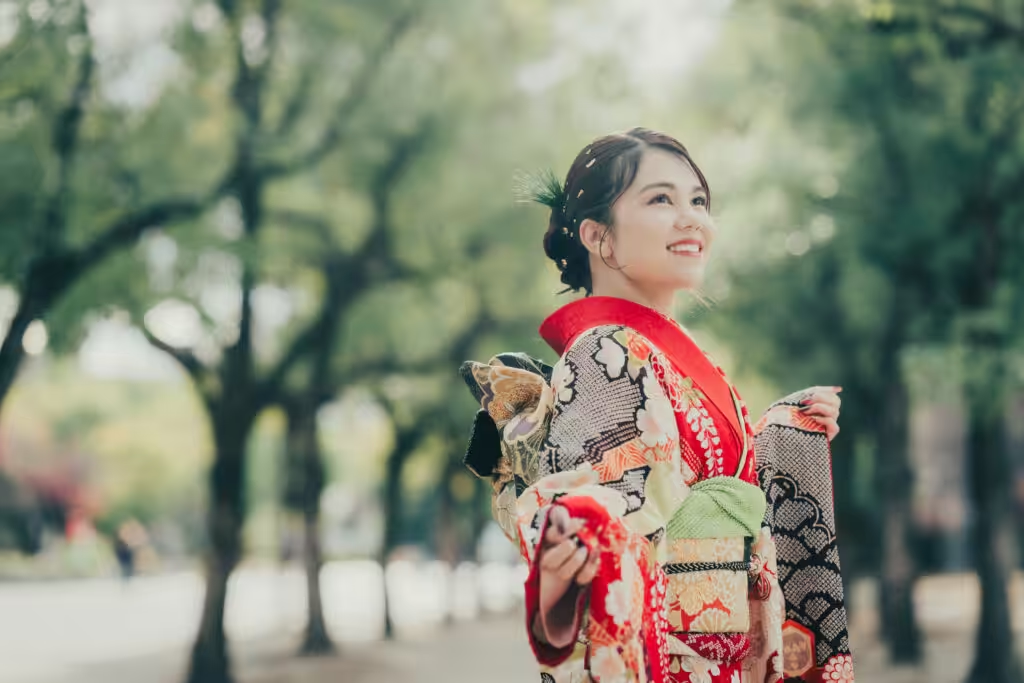
A kimono is worn according to the location and occasion. From Kyoto’s elegant Nishijin-ori to Kanazawa’s Kaga Yuzen, kimono styles vary by region, season, and meaning. Patterns and fabrics change with the weather, while each occasion calls for a different level of formality. Together, these elements make the kimono not just clothing, but a living expression of Japanese tradition.
Formal Kimono: Highest Rank
- Kurotomesode: The most formal Kimono for married women. It features five family crests (kamon), one on each sleeve, one on each front panel, and one on the back. Kurotomesode are typically worn by relatives of the bride or groom or by matchmakers at weddings.
- Furisode: The most formal Kimono for unmarried women, recognizable by its long, flowing sleeves and vibrant patterns. Furisode are worn for Coming-of-Age ceremonies, weddings, and formal parties.
Semi-Formal Kimono
- Irotomesode: A formal Kimono similar to the kurotomesode but not black, featuring elegant patterns along the hem. It can be worn by both married and unmarried women for formal occasions.
- Houmongi: A Kimono with patterns that flow seamlessly across the fabric, creating the look of a single continuous painting. Houmongi are worn at wedding receptions, entrance ceremonies, and other formal events.
Casual Kimono Styles
- Komon: A casual Kimono featuring small, repeated patterns. It is commonly worn as everyday attire or for informal outings.
- Tsumugi: A textured Kimono woven from pongee silk threads, known for its natural, rustic feel. Tsumugi is popular for casual wear and cultural outings.
- Yukata: The most casual Kimono suitable for summer
Tourist Kimono Rental Styles
The styles offered at Kimono rental shops in Kyoto generally range from casual to semi-formal. Travelers can choose from a wide variety of trendy and photogenic options.
Popular Style:
- Retro Modern: A blend of classic patterns with a contemporary twist
- Antique Style: Vintage-inspired traditional Kimonos
- Lace Kimono: Soft, romantic styles featuring lace fabrics
- Bold Floral Patterns: Bright, eye-catching designs popular on Instagram
- Simple and Modern: Minimalist designs with solid colors or subtle patterns for a sleek look
Kimono Experiences to Enjoy in Kyoto
Visit Popular Photo Spots
Top Kimono Photo Spots in Kyoto
- Ninenzaka & Sannenzaka: Stone-paved slopes lined with traditional wooden houses
- Yasaka Pagoda: A stunning five-story pagoda that pairs beautifully with Kimono photos
- Gion Shirakawa: A picturesque street with willow trees and a peaceful canal
- Fushimi Inari Shrine: Famous for its thousand red torii gates
- Arashiyama Bamboo Grove: Sunlight filtering through towering bamboo creates magical photos
Experience Traditional Tea House
Enjoying matcha and Japanese sweets at a traditional Kyoto teahouse while wearing a kimonos is a uniquely memorable experience. Many teahouses also offer tea ceremony (sadō) programs, allowing you to experience Japanese culture on a much deeper level.
Visit Temples and Shrines
The Gion area is lined with stone-paved alleys and traditional wooden machiya townhouses, creating an atmosphere that feels like stepping back in time. Visiting famous temples and shrines such as Yasaka Shrine, Kiyomizu-dera, and Ginkaku-ji while wearing a Kimono makes your Kyoto trip even more meaningful and culturally immersive.
Recommended Kimono Walking Routes in Kyoto
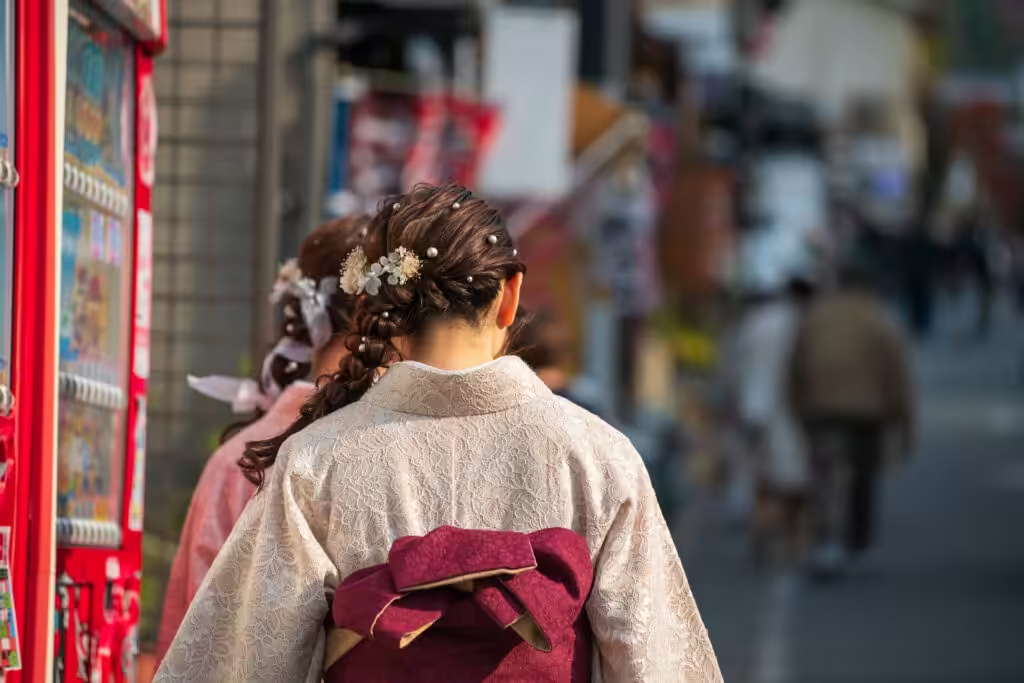
Kiyomizudera Route (Around 2 hours)
Start your stroll at Kiyomizu-dera, then make your way to Jishu Shrine before wandering down the charming slopes of Ninenzaka and Sannenzaka. Continue to the colorful Yasaka Koshindo and finish your walk at the historic Yasaka Shrine.
Gion Route (Around 2 hours)
Begin at Yasaka Shrine and head into the iconic Hanamikoji Street, where traditional teahouses line the road. From there, enjoy the serene scenery of Gion Shirakawa, stroll through the lively alleys of Pontocho, and end your walk by the peaceful Kamo River.
Arashiyama Route (Around 3 hours)
Cross the scenic Togetsukyo Bridge, then step into the famous Arashiyama Bamboo Grove. Visit Tenryu-ji Temple, one of Kyoto’s UNESCO sites, and wrap up your journey at the magical Kimono Forest illuminated by colorful Kimono textile pillars.
Recommended Kimono Rental Shops in Kyoto
Kyoto has countless Kimono rental shops, but here are some of the most highly recommended options for travelers.
[Yumeyakata]
Features:
- Ranked #1 in Google reviews
- Over 3,000 Kimonos in stock
- Convenient location near Kyoto Station (2 minutes on foot from Gojo Station)
Price Range:
- Basic Plan: from 3,080 yen (approx. $20)
- Couple’s Package: 8,000 yen (men + women) (approx. $50)
- Hairstyling: 1,650 yen (approx. $10)
Visit: Homepage
[Rikawafuku]
Features:
- Operates 4 branches in Kyoto (Gion, Kiyomizudera, Arashiyama, Kyoto Station)
- Flat-rate pricing, easy to understand
- Wide variety of Kimono styles to choose from
Price Range
- Couple’s Package: 6,000–10,000 yen (approx. $40-65)
- The package includes hairstyling
Visit: Homepage
[Okamoto]
Features:
- Welcomes over 200,000 visitors annually
- One of Kyoto’s original and most established Kimono rental shops
- Operates 7 large branches with large floor space
- Each branch offers over 1,000 Kimonos
Price Range
- Light Plan: 3,850 yen (approx. $25)
- Standard Plan: 5,500 yen (approx. $35)
- Premium Plan: 7,700 yen (approx. $50)
- Hairstyling: from 500 yen (approx. $3)
Visit: Homepage
[Kyoetsu]
Features:
- Holds the largest Kimono collection in Kyoto, with over 30,000 pieces
- Affordable pricing starting from 2,900 yen (approx. $19)
- Operated directly by a Kimono manufacturing company
Price Range:
- Lowest-Priced Plan: Starting from 3,190 yen (approx. $20.5) including tax
- Hairstyling: Extra fee, it is not included in the package
Visit: Homepage
Your Perfect Kimono Experience Kyoto Awaits
This guide has equipped you with everything essential for an unforgettable kimono experience in Kyoto, from rental tips and top shops to styling advice and cultural nuances. Wearing a kimono offers a profound connection to Japan’s timeless traditions, helping you select the perfect shop and craft a personal style while wandering Kyoto’s enchanting streets.
May your kimono adventure create lifelong memories. ESIMJAPAN.com wishes you a magical journey through Kyoto!


Leave a Reply