

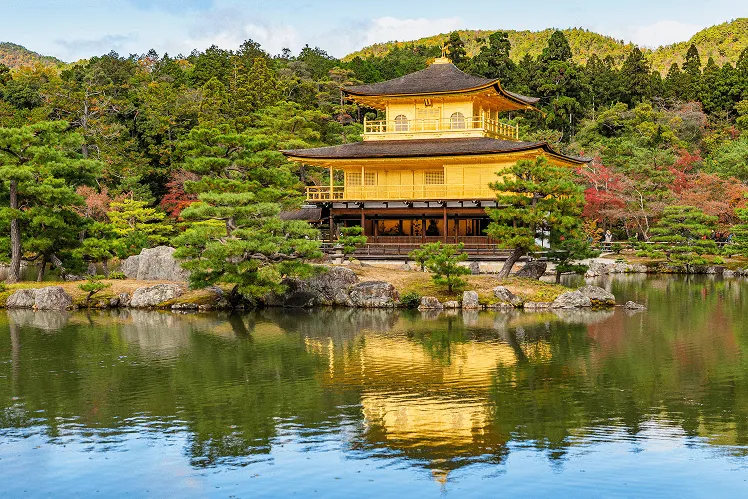
Kinkaku-ji, a UNESCO World Heritage site representing Kyoto, is officially named Rokuon-ji. However, due to the dazzling golden exterior of its main hall, it is better known as Kinkaku-ji (Golden Pavilion). The golden reflection shimmering on the pond is not only the highlight of any Kyoto trip but also a true symbol of Japanese culture.
This Kinkaku-ji guide covers everything you need to know, from transportation options from Kyoto Station to Kinkaku-ji, entrance fees and opening hours, tips to avoid crowds, and essential on-site information. Let’s explore together with ESIMJAPAN.com
Kinkaku-ji: The Golden Pavilion Explained
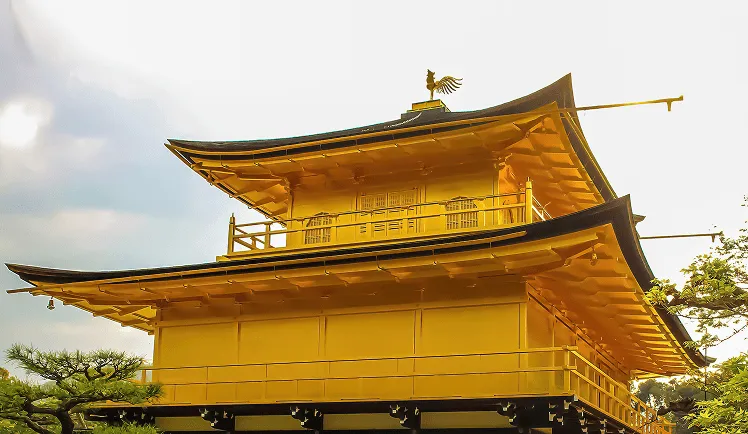
Kinkaku-ji, officially named Rokuon-ji, is a Rinzai Zen temple in Kita Ward, Kyoto City. The temple was originally built in 1397 as a villa for Ahikaga Yoshimitsu, the third shogun of the Muromachi shogunate. After his death, it was converted into a Zen temple.
The Kinkaku-ji, also known in English as Golden Pavilion, derives its name from the fact that the second and third floors of the Shariden are covered with gold leaf. The temple was destroyed by arson in 1950 and reconstructed in 1955. Later, in 1994, it was designated a UNESCO World Cultural Heritage Site as part of the Historic Monuments of Ancient Kyoto.
Address: 1 Kinkakuji-cho, Kita-ku, Kyoto 603-8361, Japan
Phone: +81-75-461-0013
Getting to Kinkaku-ji from Kyoto
Kyoto Station → Kinkakuji-michi
By Bus (Approx. 40-45 minutes)
The most common way to reach Kinkaku-ji from Kyoto Station is by taking a city bus from Kyoto Station Bus Terminal. The ride takes about 40-45 minutes. Detailed transportation information is as follows:
Bus Routes and Stops:
- Bus 101: Depart from Platform B2 → Get off at Kinkakuji-michi → Walk about 3 minutes to Kinkaku-ji
- Bus 205: Depart from Platform B3 → Get off at Kinkakuji-michi → Walk about 3 minutes to Kinkaku-ji
Charges: $2 for adults/ $1 for children (Payments can be made by cash or card)
Service Frequency: Every 10-15 minutes on weekdays and every 7-10 minutes on weekends and during peak seasons. During peak hours (11:00 AM-3:00 PM), travel time may exceed 50 minutes due to traffic congestion.
💡Tip: If you plan to take the bus more than 3 times a day, consider purchasing the Kyoto Bus One-Day Pass ($5). This cost-effective option offers unlimited rides for one day.
Kyoto Station → Subway + Walk (Karasuma Line → Kitaoji → Walk)
By Multiple mode of transportation (Approx 40-50 minutes)
If you wish to avoid crowded buses, you can combine the subway and walking (or transfer to a bus). From Kyoto Station, take the Karasuma Line bound for Kokusaikaikan and get off at Kitaōji Station. From there, you can either transfer to a city bus or walk.
Route:
- Kyoto Station → Karasuma Line (toward Kokusaikaikan) → Get off at Kitaōji Station (approx. 13 min, $2)
- From Kitaōji Station Exit 1 → Transfer to City Bus No. 204 or 205 → Get off at Kinkakuji-michi (approx. 10 min, $1.5)
- Alternatively, walk from Kitaōji Station to Kinkaku-ji (about 25–30 minutes, 1.8 km)
Total required time: About 30 to 40 minutes (40 to 50 minutes if chosen to walk)
Total charges: $3 (Subway+Bus)
By Taxi (Approx 25-30 minutes)
Taking a taxi from Kyoto Station to Kinkaku-ji is the fastest option, taking around 25-30 minutes, and costs approximately $16-$23. It’s an ideal choice for groups of 3 to 4 people, travelers with luggage, or those visiting early in the morning or late at night when bus services are less frequent.
💡Tip: Taxis in Japan use accurate meters, and while the base fee is relatively high, they can be faster than buses during heavy traffic hours. Ridesharing apps like Uber and DiDi are available in Kyoto, making it easy to book a taxi with rates that are generally comparable to regular taxis.
Visitor Information for Kinkaku-ji
Opening Hours (09:00-17:00, seasonal changes applicable)
The temple is open year-round, including public holidays and New Year’s, with consistent hours and no seasonal closures. In the event of severe weather conditions such as typhoons or heavy snowfall, the temple may temporarily close for safety reasons. Therefore, it is advised to check the official website or contact the temple directly in advance to confirm its opening status before planning your visit.
Admission fee
| Category | Admission Fee |
|---|---|
| Adults (High school students and above) | $3 |
| Children (Elementary & Junior high school) | $2 |
| Preschool children | Free |
Admission tickets are provided in the form of a traditional paper amulet (Ofuda), which can be kept as a souvenir. Please note that only cash (Japanese yen) is accepted; credit cards or electronic payments are not available.
Group Discount: Groups of 30 or more receive a 10% discount.
Visiting time
The temple grounds cover about 130,000 m², and a typical visit takes roughly 1 hour. If you take time to enjoy photography and a relaxed stroll around the pond, it will take another 30 minutes.
Recommended Route:
- Entrance & Ticket Booth → Enter the temple grounds (5 min)
- Shariden (Golden Pavilion) Viewing Point → Photo Spot (15–20 min)
- Garden Walk (Ryūmon Falls, Anmintaku Pond, Teahouses, etc.) (20–30 min)
- Souvenir Shop & Restrooms → Exit (10 min)
No access inside, designated viewing paths only
Visitors cannot enter the interior of the Golden Pavilion (Shariden, a 3-story structure). After it was rebuilt following the 1950 arson incident, the building has been protected as a cultural property. The temple can be viewed only from the outside, along a designated walking path across the pond.
Designated path for viewing:
- Pavilion Viewpoint (entrance): Walk along the northern path of Kyōko-chi (Mirror Pond) to admire the pavilion from multiple angles.
- Ryūmon Falls: Continue along the path to see a small waterfall and a stone sculpture depicting a carp climbing upstream, which symbolizes success.
- Fudōdō Hall: Stroll past a serene pond, a small shrine, and a teahouse, experiencing the tranquil beauty of the garden.
- Exit: Pass by the souvenir shop and restrooms before leaving.
Note: Accessibility for wheelchairs & strollers can be challenging within the temple premises as the paths are covered with gravel, including slight slopes. If you require assistance, please inquire at the ticketing booth before entering the premises.
Best ways to visit Kinkaku-ji
Best Times to Visit (Early Morning & Late Afternoon)
To enjoy a comfortable visit to Kinkaku-ji, it’s best to come right after opening (09:00 AM–10:00 AM) or later in the afternoon (after 3:30 PM). During these hours, there will be fewer tour groups and school field trips, allowing for a more relaxed experience for photography and walking.
Benefits of Visiting Early in the Morning:
- The reflection of the Golden Pavilion on the pond is at its clearest and most vivid when the water is calm and the wind is gentle.
- The view of morning sunlight striking the gold leaf creates the most brilliant glow.
- Parking lots and buses are less crowded, making transportation hassle-free.
Benefits of Visiting Late in the Afternoon:
- The western sunlight gently illuminates the pavilion, creating a warm and unique atmosphere during sunset.
- There are fewer crowds compared to the morning, offering a quieter and more peaceful experience.
Avoiding Peak Hours (11:00–15:00)
Kinkaku-ji is one of Kyoto’s most popular tourist attractions, and it is most crowded between 11:00 AM and 3:00 PM. On weekends, holidays, and during the cherry blossom (March–April) as well as the autumn foliage seasons (November), waiting times at the entrance can exceed 20–30 minutes.
Tips to Avoid Crowds:
- Visit on weekdays right after opening (9:00 AM)
- Choose off-seasons (January–February, or August)
- Check the Kyoto Congestion Forecast online before visiting
Peak Visitor Days:
- Golden Week (late April–early May)
- Obon Festival (mid-August)
- Silver Week (late September)
- Cherry Blossom Season (late March–early April)
- Autumn Foliage Season (mid–late November)
Photography Spots and Guidelines
The best photo spot at Kinkaku-ji is along the northern walking path of Kyōko-chi Pond, where you can capture a stunning view of the Golden Pavilion and its reflection in the water.
Recommended Photo Points:
- North side viewpoint of the pond: The most iconic angle capturing the full view of Kinkaku-ji.
- West side walking path: A beautiful side angle, including pine trees surrounding the pavilion.
- Ryūmon Falls hill: A higher vantage point offering a panoramic view of the pavilion and temple grounds.
Photography Rules:
- Taking photos inside the temple is strictly prohibited, while taking photographs is allowed only from designated pathways outside.
- Tripod use may be restricted during busy hours. Ask staff in advance if you are planning to use one.
- Drone photography is strictly prohibited due to cultural property protection and safety regulations.
- Please be considerate of other visitors. Do not block pathways, and only take photos in designated areas.
Nearby Attractions Around Kinkaku-ji
The area surrounding Kinkaku-ji is home to several of Kyoto’s other UNESCO World Heritage Sites, historic temples, and traditional gardens, making it ideal for a half-day or full-day itinerary.
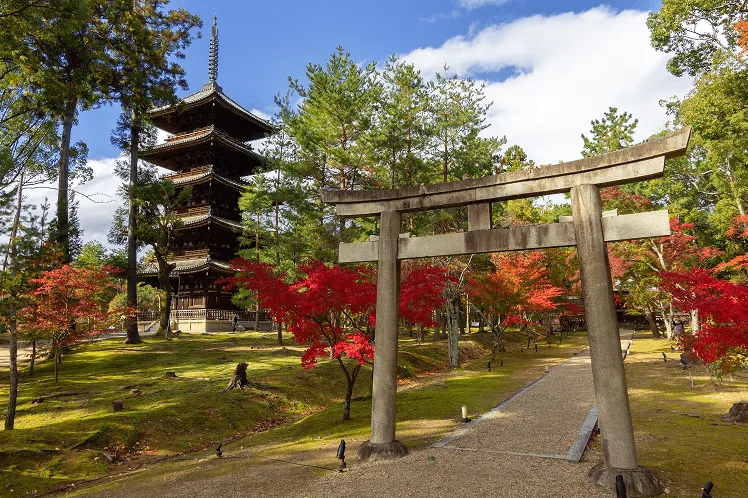
Recommended Nearby Attractions
| Attractions | Distance/Access | Highlights |
|---|---|---|
| Ryōan-ji | 20 mins by walk/ 5 mins by bus | Famous for its Zen garden and a UNESCO World Heritage site. |
| Ninna-ji | 10 mins by bus | Temple is historically connected to the imperial family of Japan and is famous for its cherry blossoms. |
| Kinukake-no-Michi | 5-10 mins by walk | Scenic walking path of about 2.5 km connecting Kinkaku-ji, Ryōan-ji, and Ninna-ji |
| Kitano Tenmangū | 15 mins by bus | A shireine dedicated to the deity of scholarship, the Sugawara no Michizane. Famous for its cherry blossoms. |
Recommended Half-Day Course
Spend 1 hour in Kinkaku-ji and take a 20-minute walk to Ryōan-ji. Spend around 40 minutes in Ryōan-ji. Take a 10-minute bus ride to Ninna-ji. Spend another 40 minutes and return to Kyoto Station by bus.
Restaurants and Cafes Near Kinkaku-ji
There are many dining options around Kinkaku-ji, including traditional Kyoto cuisine (Kyō-ryōri), udon, soba, and cozy cafés.
Recommended Restaurants:
Kinkakuji Ichinofune:
- Location: 3-minute walk from the Kinkaku-ji entrance
- Menu: Yuba (tofu skin) set meals and Kyoto-style udon
- Price Range: $8–$13
Cafe Tokyoen:
- Location: In front of the Kinkakuji-michi bus stop
- Menu: Matcha latte, dango (sweet rice dumplings), light meals
- Price Range: $3–$6
Kinkakuji-mae Yudofu Okutan:
- Location: 5-minute walk north of Kinkaku-ji
- Menu: Yudofu (hot tofu hotpot), course meals
- Price Range: $20–$30
💡Tips: There are no restaurants available inside Kinkaku-ji, so it is recommended to dine somewhere nearby or bring a lunch box and enjoy it in a nearby park.
Important Guidelines for Visitors
Cash-only service
Admission tickets for Kinkaku-ji can be purchased only with cash (Japanese Yen). Payments by credit card, debit card, and electronic payments (Suica, PayPal) are not possible. Therefore, you are advised to prepare sufficient cash in advance.
💡Tips: It is safe to withdraw cash from ATMs in convenience stores and Tokyo Station. Japan’s convenience store ATM, including those of 7-Eleven and Lawson, support cash withdrawals using foreign cards.
Dress Code Etiquette
As Kinkaku-ji is a Buddhist temple, visitors are advised to dress modestly by covering their shoulders and knees. Avoid wearing sleeveless tops, short shorts, or ripped clothing. Dress neatly and respectfully.
Summer precautions: During the summer (July and August), Kyoto experiences extreme heat. Hence, it is recommended to wear light, breathable long clothing (Linen or cotton), along with sunscreen and a hat.
No Food is Allowed
Eating and drinking (except for water) is strictly prohibited inside the temple premises. Except for bottled water, bento, or snacks, they must be eaten outside the grounds.
No Drone Photography
Drone photography is strictly forbidden inside the temple. To protect cultural properties and ensure the safety and privacy of other visitors, drones and remote-controlled devices are not permitted. Failure to follow the rules could result in being asked to exit the temple premises.
Precautions for Child Safety
Within the temple grounds, the Kyōko-chi Pond has sections with low or no railings, so guardians should keep children away from the water’s edge. Entering areas off the designated walking paths is strictly prohibited due to safety risks.
💡Tip for Families:
A baby carrier is recommended over a stroller, and using a child harness or wrist strap can help ensure safety.
Explore Kinkaku-ji in Tokyo Hassle-Free with ESIMJAPAN.com
In this article, we have covered everything from how to get to Kinkaku-ji to visitor information, nearby dining spots, and important travel tips. A visit to the surrounding food markets and attractions before Kinkaku-ji could make your Kyoto journey even more enjoyable. If you want to travel across Japan without worrying about mobile data, check out ESIMJAPAN.com’s data plans. Activating an eSIM is instant, unlike buying a SIM card at an airport. Simply scan your QR code and activate instantly. You’ll be connected right upon arrival, making your entire trip more convenient and enjoyable!


Leave a Reply