

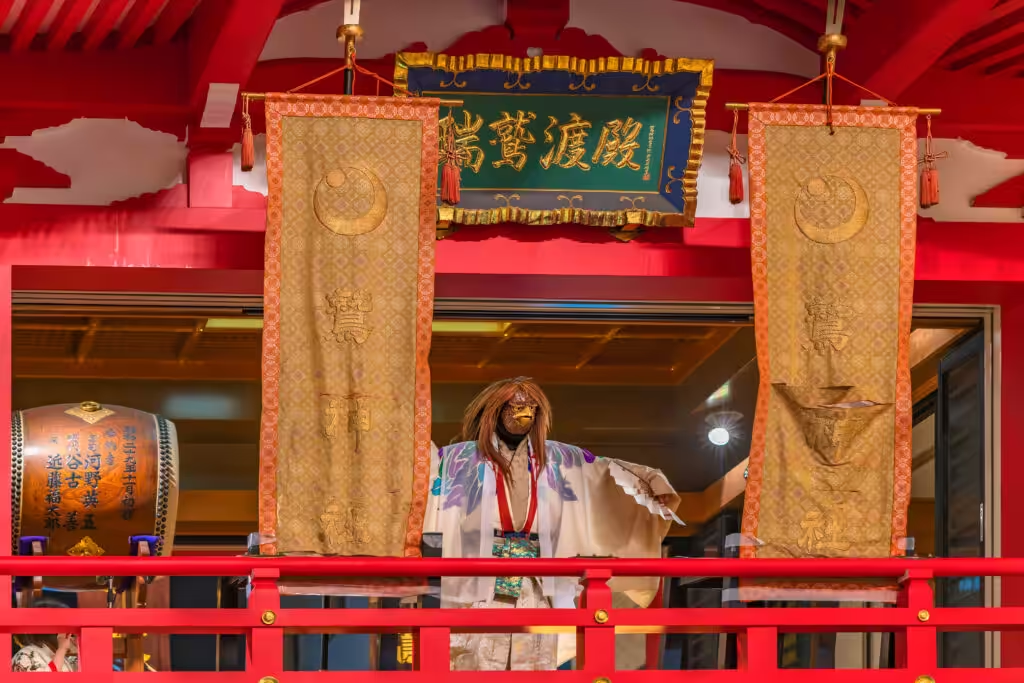
Step into Tokyo’s festive spirit this November at the Tori-no-Ichi festival, where the city’s shrines burst with color, energy, and age-old charm. Every clap and happy shout sends forth wishes for good luck and success in the next year. This festival gives you an unforgettable peek at Japan’s living customs, from colorful kumade (lucky rakes) to street cuisine cooking at night. And with ESIMJAPAN.com keeping you connected wherever you travel, while capturing and sharing your special moments with your loved ones.
Tori-no-Ichi (酉の市) at a Glance
Tori-no-Ichi is a traditional Japanese festival held every November on the “Day of the Rooster” according to the lunar calendar. It is one of Japan’s most iconic annual events. Tori-no-Ichi, also known as the “Day of the Rooster Festival” or “Business Prosperity Festival,” has a long history dating back to the Edo period. A cultural tradition that endures to this day.
Special features
| Category | Details |
|---|---|
| Origin | Based on the legend of Yamato Takeru no Mikoto |
| Venues | Mainly held at Ōtori Shrines and Washi Shrines |
| Symbols | Kumade, a decorated bamboo rake symbolizing “rake in” good fortune |
| Visitors | Around 700,000–800,000 people annually (at Asakusa alone) |
Tori-no-Ichi 2025 Schedule Overview
In 2025, the Tori-no-Ichi Festival will be celebrated twice: on Wednesday, November 12 (Ichinotori, the First Rooster Day) and Monday, November 24 (Ninotori, the Second Rooster Day). There will be no third festival (Sannotori) this year, making these two dates a unique opportunity to experience this lively tradition.
2025 Festival Schedule
| Event | Date | Day | Notes |
|---|---|---|---|
| Ichinotori | November 12 | Wednesday | First Day of the Rooster |
| Ninotori | November 24 | Monday (Substitute Holiday) | Second Day of the Rooster |
The Day of the Rooster occurs every 12 days, depending on the lunar calendar. Depending on the year, Tori-no-Ichi is held two or three times. In 2025, it takes place twice.
💡Tip: The Eve festival (Zenyasai) begins the evening before the main festival (Honmatsuri), allowing the visitors to enjoy the full scale of the festival atmosphere in advance.
Main Tori-no-Ichi Festival Venues & Opening Hours
Asakusa — Ootori Shrine (“Washi” Shrine) & Chōkoku-ji Temple
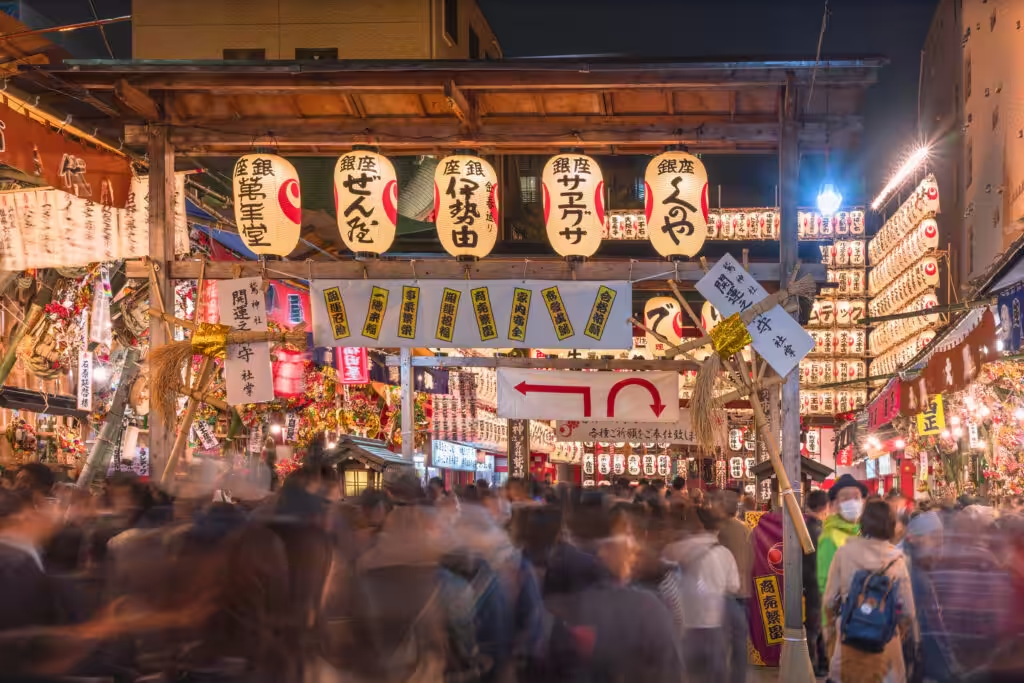
The Asakusa Tori-no-Ichi is uniquely held at both Ootori Shrine (Washi Shrine) and the adjacent Chōkoku-ji Temple, where visitors can witness the rare celebration that blends Shinto and Buddhist traditions.
Basic Information
- Location: Ootori Shrine, 3-18-7 Senzoku, Taito-ku, Tokyo/ Chōkoku-ji Temple, 3-19-6 Senzoku, Taito-ku, Tokyo
- Operating Hours: 24 hours- from midnight (0:00) to midnight the following day
- Night Market Size: Approximately 800 food stalls and market stands
- Visitors: Around 700,000–800,000 people annually
Highlights
- The two sites are located across the same street, allowing visitors to enjoy both in one visit.
- Eve Festival (Yoi-miya): November 11 (Tue) from 23:15 and November 23 (Sun) from 23:15
- Washi Festival Special Ceremony: November 12 (Wed) from 13:00 and November 24 (Mon) from 13:00
Night Market Operating Hours
According to Chōkoku-ji, both the Eve Festival and the Main Festival operate roughly from noon until late at night. Although exact times may vary for security reasons, the general operating hours are approximately 9:00 AM to 10:00 PM.
Shinjuku — Hanazono Shrine
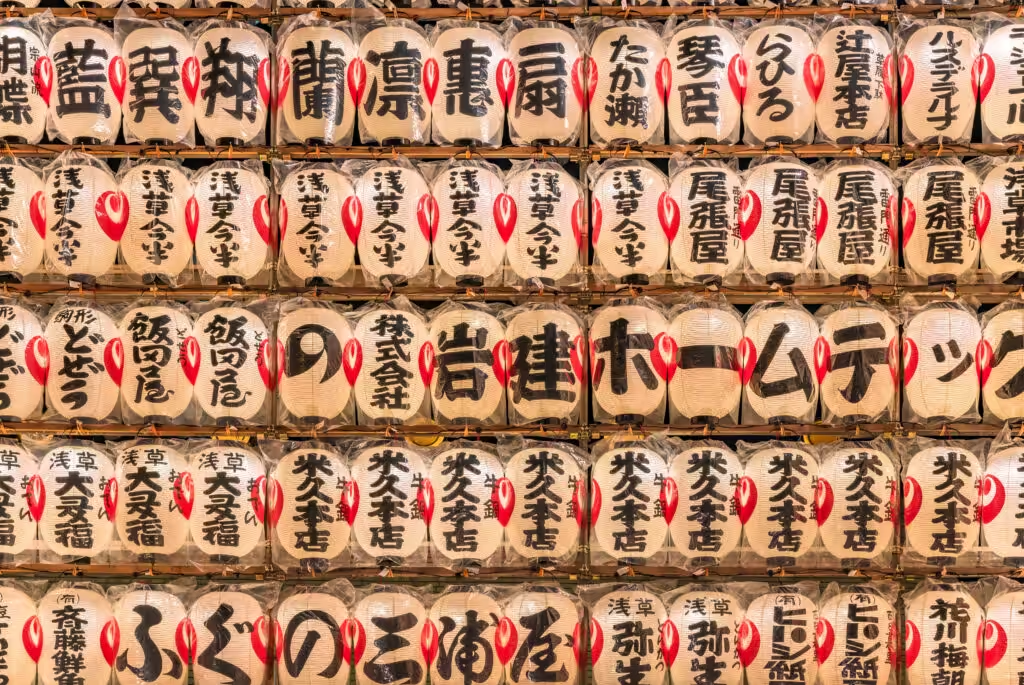
Hanazono Shrine in Shinjuku is one of the three major Tori-no-Ichi festivals in the Kanto region, alongside Washi Shrine in Asakusa and Okunitama Shrine in Fuchu.
Basic Information:
- Location: 5-17-3 Shinjuku, Shinjuku-ku, Tokyo
- Operating Hours:
- Eve Festival: Around 15:00 – 24:00 (ends when the lanterns are turned off)
- Main Festival: Around 12:00 – 24:00
- Night Market Size: Approximately 200 stalls (Inside the grounds and nearby streets)
- Visitors: Up to 600,000 people annually
Highlights:
- Spectacular night view with about 900 lanterns illuminating the shrine.
- Near Kabukicho, the vibrant atmosphere continues well into the night..
- Features a Misemono-goya, a traditional show tent with live performance and exhibitions.
2025 Schedule:
- Ichinotori: Eve festival is on November 11(Tue), and the Main festival is on November 12 (Wed)
- Ninotori: Eve festival is on November 23(Sun), and the Main festival is on November 24 (Mon)
Getting to the Tori-no-Ichi Festival
Asakusa (Washi Shrine & Chōkoku-ji Temple)
Recommended optimal routes
- Subway Hibiya Line- Iriya Station, Exit 3 (North): About 7 minutes on foot
- Tsukuba Express – Asakusa Station: About 8 minutes on foot
- Subway Hibiya Line – Minowa Station: About 9 minutes on foot
Smart transportation tips
- While Asakusa Station is the most well-known, it’s about a 15-minute walk, making Iriya or Minowa Station more convenient options.
- Take the Toei bus from JR Nippori Station toward Kinshicho Station, exit at the Senzoku stop, and continue on foot for two minutes.
Shinjuku (Hanazono Shrine)
Recommended Routes
- Exit E2 at Shinjuku-sanchome Station on the Tokyo Metro Marunouchi, Fukutoshin, and Toei Shinjuku lines. It’s just a few steps away.
- If arriving via JR, Odakyu, or Keio lines, expect a 7-minute walk from Shinjuku Station East Exit
Parking information
- Parking is available about 5 minutes from the Shuto Expressway Route 4 (Shinjuku Exit)
- Traffic restrictions are enforced during the Tori-no-Ichi period, so public transportation is strongly recommended.
By Bus
- Take Toei Bus No. 97 departing from Shinagawa to Shinjuku West Exit and get off at Shinjuku-sanchome stop, then walk 3 minutes
- Take Toei Bus No. 77 departing from Waseda, get off at Shinjuku Isetan-mae stop, and take a 3-minute walk
Best Time to Visit the Tori-no-Ichi Festival & Tips to Avoid Crowds
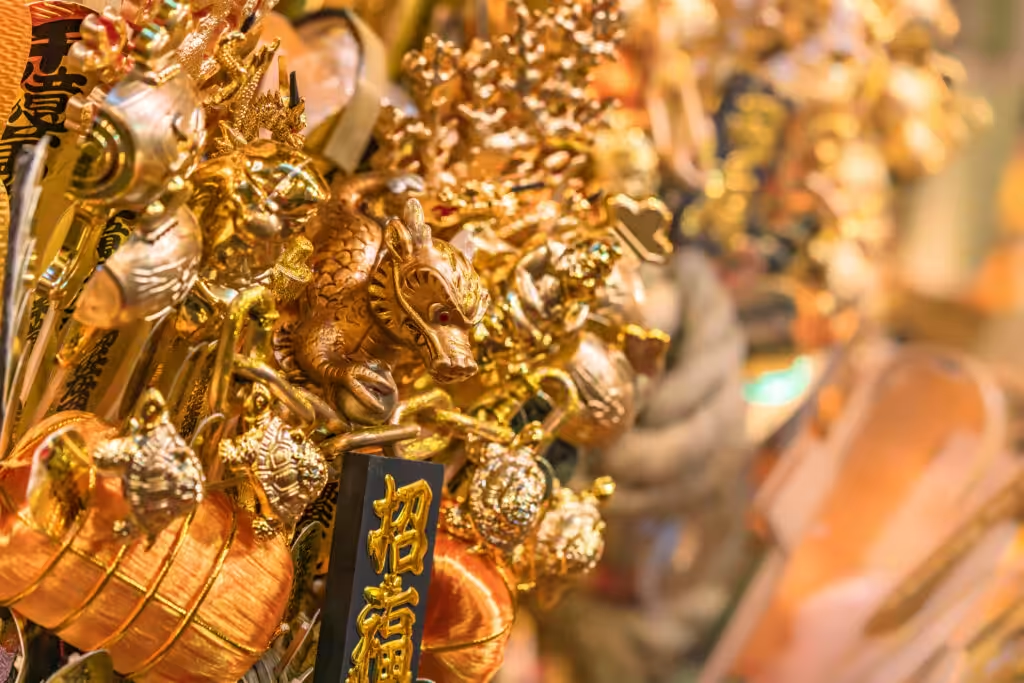
Peak-Hours
Most Crowded Times
- Ichinotori (First Day) – Evening to Midnight: The first festival day draws the largest crowds, with heavy media coverage and visitor concentration.
- Evening, around 6 PM- 9 PM, is the peak congestion period when lanterns are lit and the festival atmosphere is at its height.
- Expect heavy crowds throughout the day on Saturdays, Sundays, and the day before public holidays
- During these peak hours, the shrine grounds and approach path become so packed that moving through the crowd can be quite difficult.
Tips for Avoiding the Tourist Rush
Recommended Visiting Times for a Relaxed Experience
- Weekday Afternoon (13:00-17:00): Visiting before 5 PM allows for a relaxed visit to the shrine and gives time to check out Kumade (decorative rakes) comfortably.
- Late Night (After 23:00- Early Morning): The second festival day, Ninotori, tends to be less crowded than Ichinotori.
Tips for Families:
- Choose less crowded hours (daytime or early evening).
- Strollers are difficult to use in dense crowds; baby wrap carriers are strongly recommended.
- Please use the restroom beforehand, as it can be hard to access during busy times.
Night Views and Photography Tips
Recommended Time
- As the lanterns illuminate the evening and continue into the late night, the breathtaking night view creates a perfect photo opportunity.
- For the best photography experience, visit before the peak crowd (17:00–18:00) or after 23:00, when the atmosphere is calmer and the lighting remains beautiful.
Tori-no-Ichi Festival: Weather, Clothing & Preparation Checklist
Tokyo’s November Climate
Tokyo’s average weather in November
- Average Daytime Temperature: 14–18°C
- Morning/Evening Temperature: 7–12°C
November in Tokyo marks the transition from autumn to winter. The average temperature is around 13.5°C, with daytime highs sometimes reaching 20°C, but dropping to below 10°C in the early morning and at night.
Clothing Guide
Basic Layering:
- Top: Long-sleeve shirt + light sweater or cardigan
- Outerwear: Jacket or light coat (a heavier coat may be needed depending on the weather)
- Bottoms: Thick denim or corduroy pants
Essential Items:
- Layered clothing: To adjust easily to day–night temperature differences
- Comfortable shoes: You’ll be standing and walking for long hours
- Gloves / Scarf: For chilly evenings and late-night visits
- Light down vest: Lightweight yet excellent for warmth

Preparation Checklist
| Items | Reason |
|---|---|
| Cash | Most night markets and kumade vendors accept cash only |
| Reusable Shopping Bag | Useful for carrying kumade or small purchases |
| Portable Charger | The battery drains quickly due to photo-taking and map app usage |
| Wet wipes/Hand Sanitizer | Convenient when eating street food at stalls |
| Mask | Recommended in crowded areas for comfort and safety |
| Umbrella/Raincoat | To prepare for occasional November rain |
Experience Tori-no-Ichi 2025 — Tokyo’s Most Exciting Autumn Festival
Tori-no-Ichi Festival is more than a regular festival. It’s a unique cultural festival where the Japanese business spirit and traditional faith come together. The 2025 Asakusa Tori-no-Ichi is a grand event attracting 700,000-800,000 visitors, featuring vibrant kumade (decorative racks), lively night markets, and the traditional tejime hand-clapping ceremony, creating a truly immersive celebration for all senses.
Mark your calendar for November 12 and 24, the two energetic days of the Ichinotori and Ninotori festivals. Arrange your travel and attire beforehand, make sure to have cash on hand, and savor the unique charm of Tokyo in autumn at one of Japan’s most spirited celebrations. To make your trip even smoother, stay connected throughout the festival with ESIMJAPAN.com, offering instant activation, reliable data, and easy navigation around Asakusa’s busy streets.


Leave a Reply