

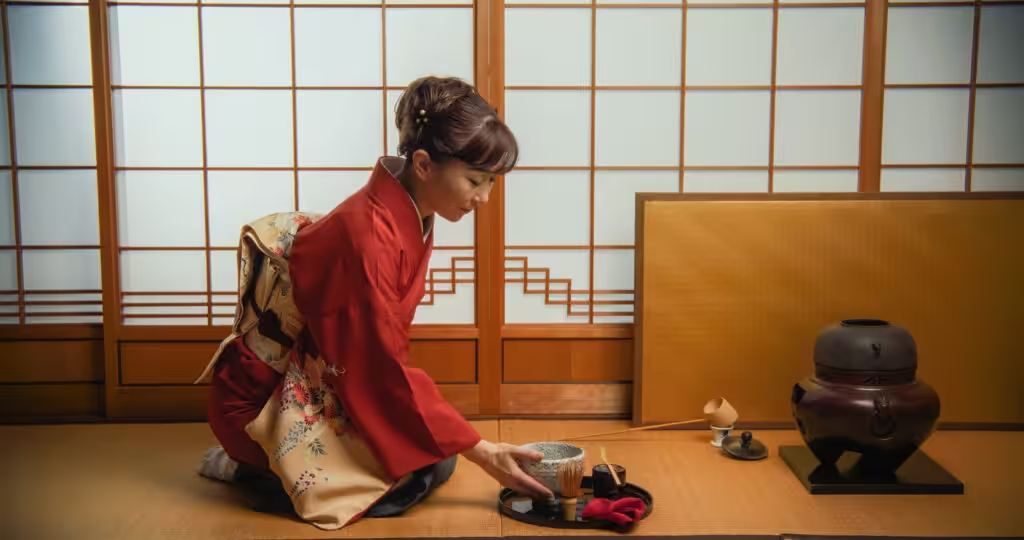
Kyoto served as Japan’s capital for over 1,000 years, from 794 to 1868. During the Muromachi shogunate era, the flourishing of Higashiyama culture led to the development of the tea ceremony, flower arrangement, and garden arts. This rich historical background established Kyoto as the heart of Japanese tea culture. Kyoto is also Japan’s premier region for growing tea. As tea gatherings gained popularity, the notion that the finest green tea originated from Kyoto became widely accepted. Today, let’s explore the tea ceremony experience in Kyoto with ESIMJAPAN.com.
What types of tea ceremonies are there?
In Japan, there are various types of tea ceremonies, such as the formal Chaji and the casual Chakai.
Chakai- 30~60 minutes Hands-on Tea Ceremony
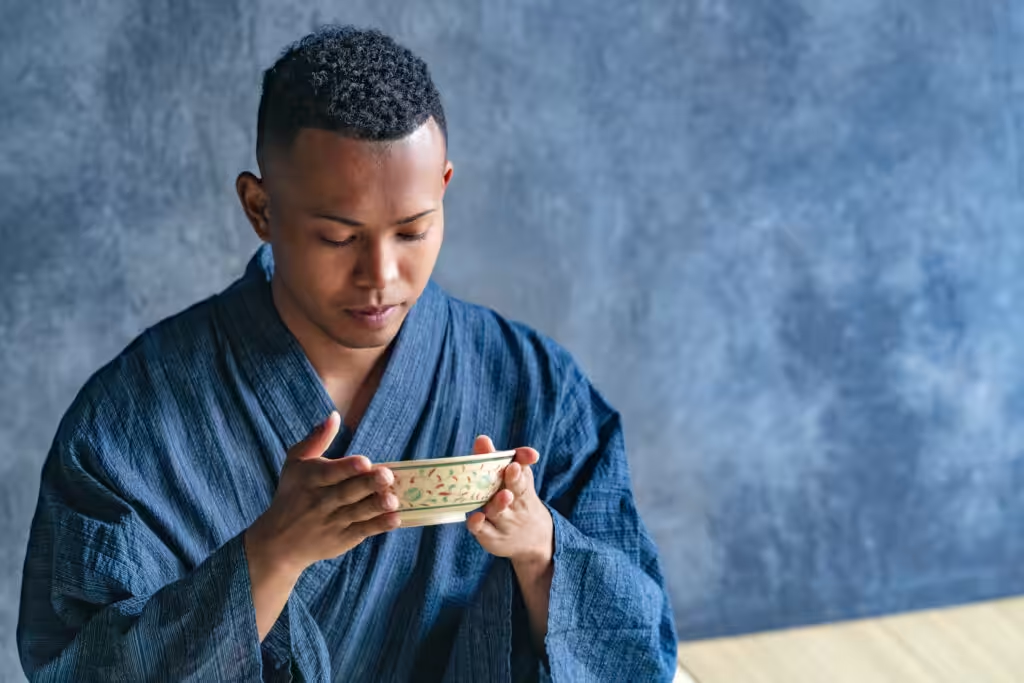
Chakai is a more casual and shorter gathering compared to a formal tea ceremony, centred around usucha (thin tea). First appearing in literature in the early 15th century, chakai refers to informal gatherings, with a flexible format that allows guests to come and go freely.
A typical chakai experience lasts about 40 to 70 minutes and proceeds as follows:
- Explanation of tea ceremony history and spirit (10–15 minutes)
- Demonstration of temae (the tea preparation ritual) by the instructor (10 minutes)
- Serving of wagashi (traditional Japanese sweets) and matcha (10–15 minutes)
- Hands-on experience whisking matcha (15–20 minutes)
- Appreciation of tea utensils and Q&A session (10 minutes)
Chakai is suitable for beginners and tourists, offering an accessible and relaxed way to experience Japanese tea culture.
Chaji- 3~4 hour tea ceremony with full-course meal
Chaji is the most formal and structured type of tea gathering, featuring a Kaiseki meal, thick tea (koicha), and thin tea (usucha), and usually lasts from half a day to a full day. This event is an elaborate experience, including a formal meal and two distinct tea services that span 4 to 5 hours.
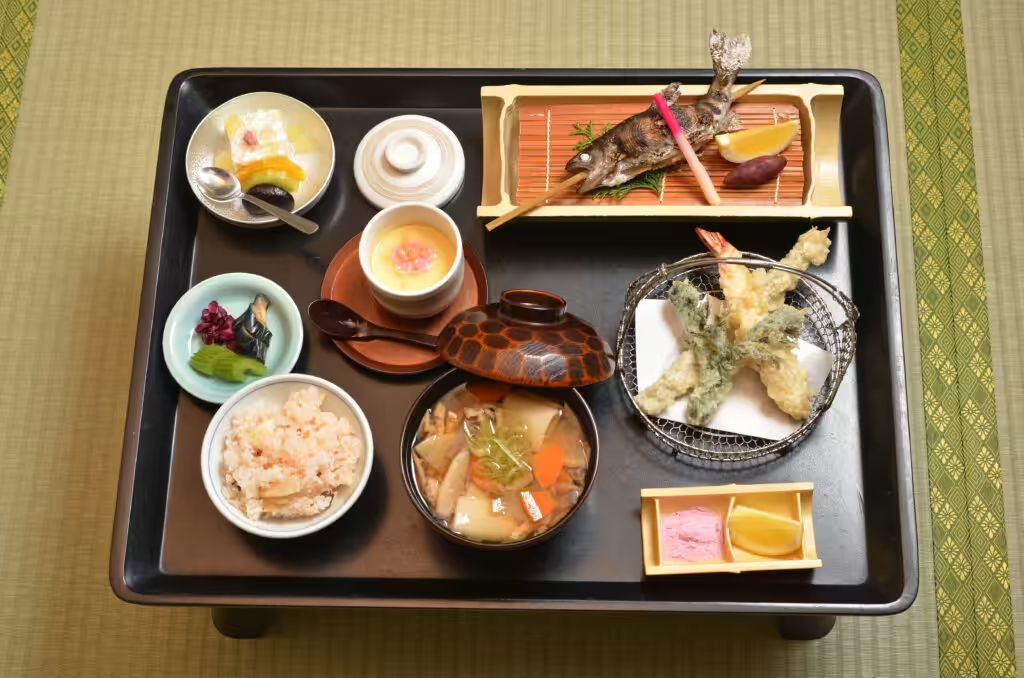
A traditional chaji includes the following sequence:
- Step 1: Welcoming guests and purification ritual (15-20 minutes)
- Step 2: Kaiseki meal (90-120 minutes)
- Step 3: Intermission and garden stroll (20-30 minutes)
- Step 4: Koicha (thick tea) ceremony (30-40 minutes)
- Step 5: Usucha (thin tea) ceremony (20–30 minutes)
- Step 6: Farewell and appreciation of utensils (15–20 minutes)
Chaji is typically held with a small group of 2 to 5 guests, allowing for deep interaction and a chance to experience the essence of the tea ceremony.
A Formal Yet Relaxed Tea Ceremony Experience
The tea ceremony is an elaborate set of movements with precise order, yet it teaches values such as mindfulness, respect, and simplicity, offering meaningful lessons applicable to daily life. Kyoto’s tea ceremony experiences maintain traditional forms but are appropriately simplified for foreign visitors and beginners. Many venues offer explanations in English, Chinese, and Korean, and also provide table-style tea ceremonies with comfortable seating.
At its core, the tea ceremony embraces the spirit of “Ichigo Ichie“, the concept that every encounter is a once-in-a-lifetime event to be cherished. With this mindset, one can truly appreciate the value of the tea ceremony without being bound by strict formality.
Popular Tea Ceremony Spots in Kyoto
Camellia – Tea Ceremony Cafe in the Ninenzaka Area
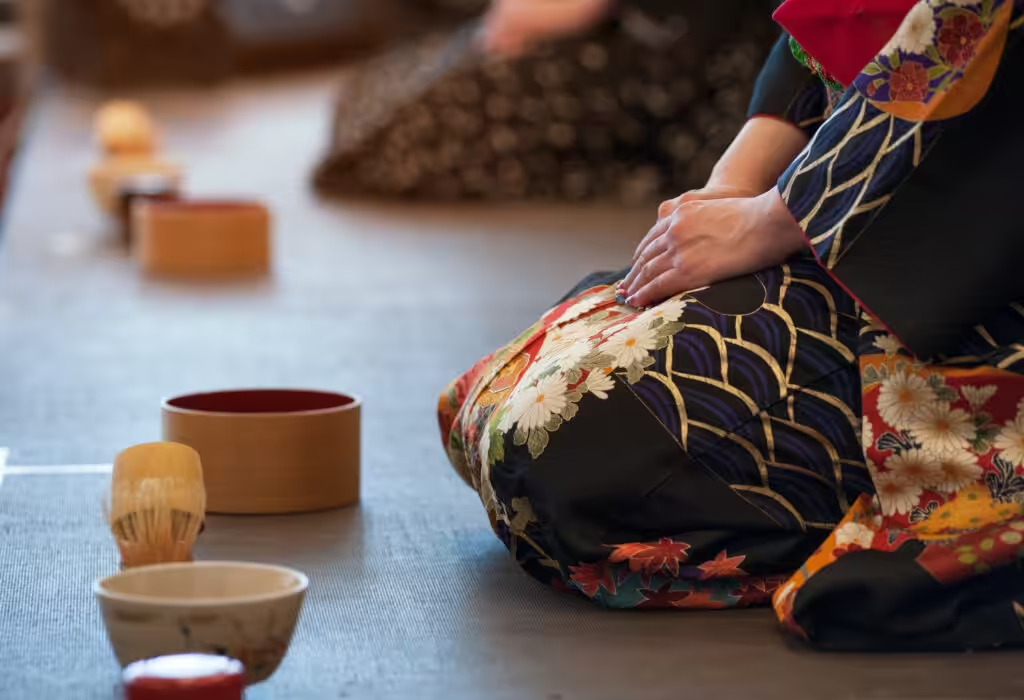
Camellia is a tea house located in the Ninenzaka area that has been sharing its culture with foreign visitors for over 10 years since its establishment in 2014. The Ninenzaka main shop is within walking distance of Kiyomizudera, Kodai-ji, Chion-in, and Yasaka Shrine, providing easy access to the Gion Geisha district.
Camellia (Ninenjaka Headquarters)
- Location: 349-12 Masuyacho, Higashiyama Ward, Kyoto
- Price:
- Off-season: $25 per person approx
- Peak-season: $35 per person approx (Mar, Apr, Oct, Nov, New Year)
- Duration: 60 minutes
- Speciality: Professional tea masters who speak English, hands-on matcha whisking experience, and traditional machiya (townhouse) building
- Reservation: Visit the homepage or email [email protected]
Camellia also operates a garden branch using a 100-year-old traditional house near the garden of the Ryoanji Temple, located a minute’s walk from the Ryōan-ji Temple.
Camellia Garden (Lyoanji Branch)
- Price: $50 per person for a group of 2 or more and $78 per person for a private session
- Closed: on Sundays
- Features: View of a traditional Japanese garden, peaceful atmosphere, a space imbued with the spirit of Sen no Rikyu
Tea Ceremony KOTO – Near Kinkakuji
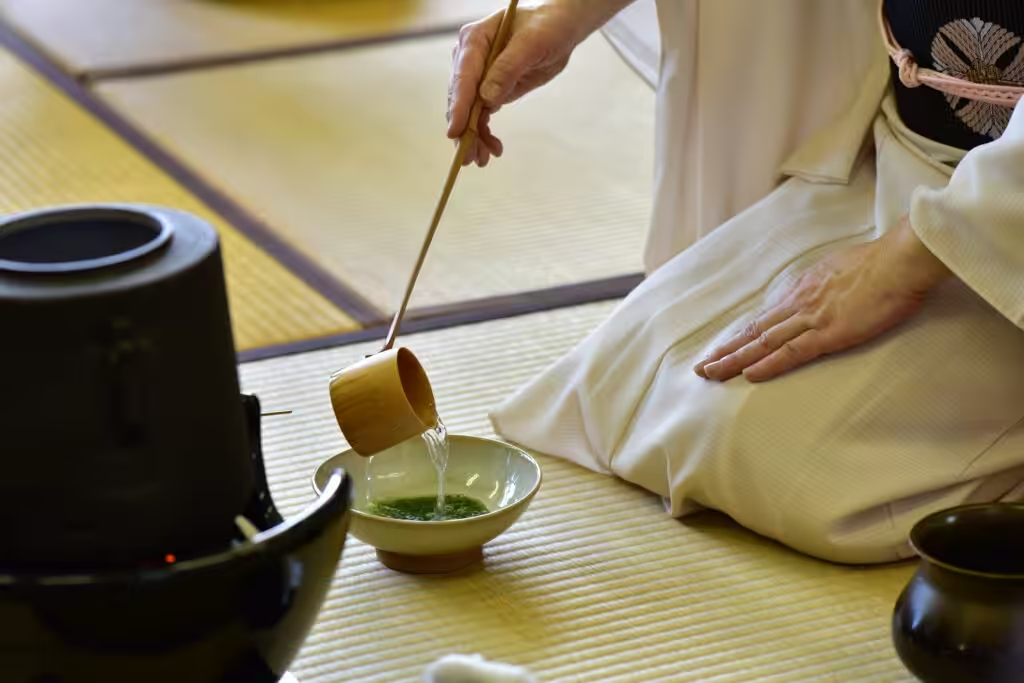
Tea Ceremony KOTO is situated in a residential area near Kinkaku-ji (Golden Pavilion) and offers small-group or private one-on-one sessions. English-speaking instructor Rie, a master of the Urasenke tea school, conducts ceremonies that switch between winter (ro) and summer (furo) hearths according to the season. Conveniently reachable on foot after visiting Kinkaku-ji, it fits efficiently into a half-day Northern Kyoto itinerary.
Tea Ceremony KOTO
- Location: Within walking distance of Kinkakuji (exact address provided upon reservation)
- Price: Approx $30-35 per person
- Duration: 60 to 90 minutes
- Speciality:
- Quiet residential location away from tourist crowds
- Private or small group sessions
- Professional English-speaking tea master
- Served with wagashi (traditional Japanese sweets)
- Reservation: Visit the homepage or email
Gion District Traditional Machiya
The Gion district is renowned as Kyoto’s most traditional geisha area, and offers diverse tea ceremony experiences in historic machiya (traditional townhouses). In the Gion, Higashiyama, and Kitashirakawa areas, visitors can participate in traditional tea ceremonies held inside Kyoto townhouses that are over 100 years old.
Tea Ceremony Gion
Typical features of tea ceremonies in the Gion area include
- Location: 5–10 minutes on foot from Gion Shijo Station or Gion Shijo bus stop
- Price: $30-50 per person
- Duration: 45–70 minutes
- Speciality:
- Experience in a traditional machiya building
- Kimono dressing package available (additional $30–65)
- Option to join a tea ceremony with a maiko (apprentice geisha)
- A walking tour of the geisha district can be combined with a tea ceremony.
Some experience programs also offer premium courses that include performing the tea-making procedure (temae) with a maiko, taking two-shot commemorative photos, and enjoying Hanakado (traditional flower street games).
How is a tea ceremony experience typically structured in terms of duration and flow?
40-70 Minute Basic Tea Ceremony Experience (Matcha, Wagashi, and Explanation)
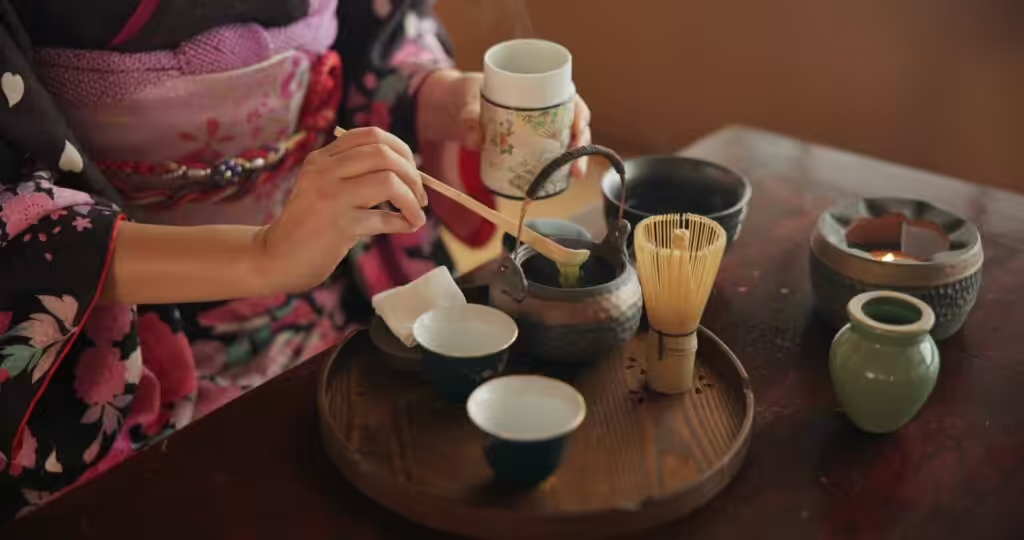
The most common tea ceremony experience lasts about one hour and is suitable for beginners and tourists. The typical flow is as follows:
Basic Tea Ceremony Timetable (Total duration 50-60 minutes)
| Duration | Stage | Description |
|---|---|---|
| 0–10 min | Greeting and Introduction | Explanation of tea history, Sen no Rikyu, and the wabi-sabi spirit |
| 10–20 min | Demonstration | Tea master’s temae (tea preparation) demonstration and explanation of tea utensils |
| 20–35 min | Wagashi and Matcha | Seasonal wagashi are served; the tea master prepares and serves matcha |
| 35–55 min | Hands-on Experience | Participants whisk matcha with a chasen (bamboo whisk) |
| 55–60 min | Utensil Appreciation and Q&A | Explanation of the tea bowl, whisk, tea scoop, etc |
Role of Wagashi
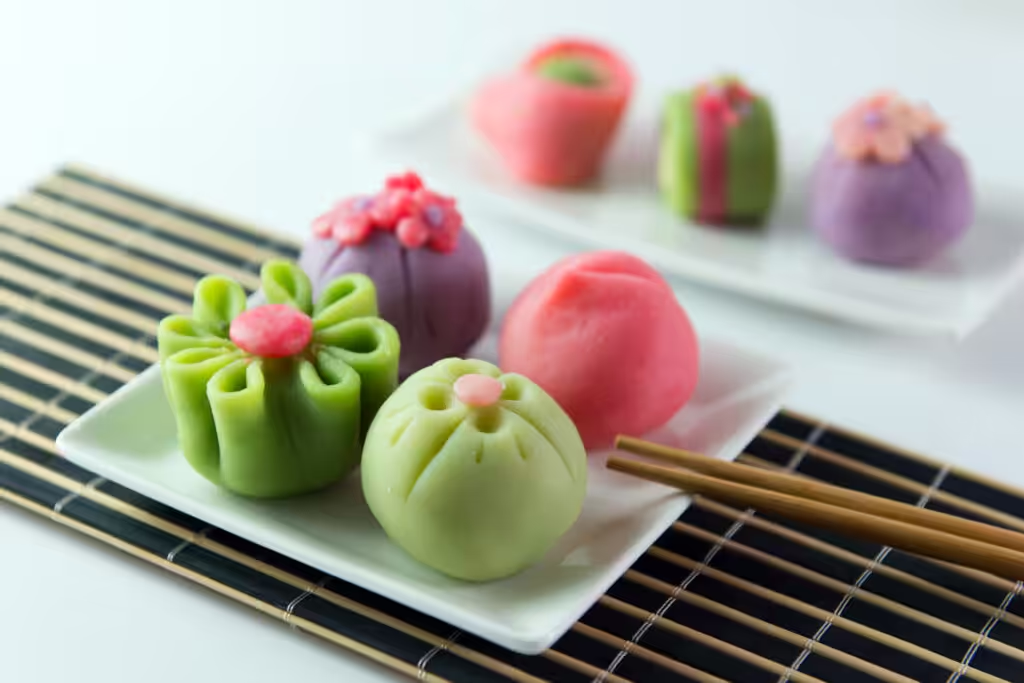
Since matcha is quite bitter, wagashi (traditional Japanese sweets) are served first. Eating the sweets before drinking matcha balances the bitterness of the tea with the sweetness of the wagashi.
How to Drink Matcha
- Hold the tea bowl (chawan) with your hands.
- Rotate it twice clockwise, avoiding the front, so the most beautiful side faces the host.
- Drink in 2-3 sips
- Finish by making a sound to signal completion
- Wipe the rim of the bowl where the lips touched, and appreciate the bowl
- Rotate it counterclockwise to face the host before returning it
Price: $25-40
90–120 Minute Tea Ceremony Experience, including wearing a Kimono
Some providers, such as Yumeyakata, offer packages that combine kimono rental and a tea ceremony experience. Participants first wear kimonos at the Gojo location and then move to the Oike location for the tea ceremony.
Kimono + Tea Ceremony Schedule (Total 2–2.5 hours)
| Duration | Location/Activity | Details |
|---|---|---|
| 0–40 min | Kimono Shop | Choose and wear a kimono (additional 30 min if hair set included) |
| 40–60 min | Transit | Walk through Kyoto streets wearing a kimono, travelling to a tea room |
| 60–120 min | Tea Room | Tea ceremony experience (60 minutes) |
| 120–150 min | Free time | Wear a kimono while sightseeing and taking photos |
| Return | Kimono Shop | Return kimono |
Package Pricing Examples:
- Basic kimono + tea ceremony: $65–100 (approx)
- Hair set included: Additional $12–20 (approx)
- Professional photo shoot: Additional $30–50 (approx)
Important Notes:
- Kimono rental must be reserved at least 1 hour and 30 minutes before the tea ceremony, and hair styling requires a reservation at least 2 hours in advance.
- Kimono usually must be returned by 5–6 PM.
- Children under 7 years of age may have restrictions on participation at certain venues.
3-4 Hour Formal Chaji (Tea Ceremony, Kaiseki Meal and Tea Utensil Appreciation)
A formal chaji is the most complete form of tea ceremony, including an elegant kaiseki meal and two types of matcha (thick and thin tea). At specialised tea houses like Bikouen near Kyoto Station, which has been operating since 1872, guests can experience the full formal chaji ritual.
Formal Tea Ceremony Program (Total Duration: 3 to 4.5 hours)
| Session | Stage | Description | Duration |
|---|---|---|---|
| Part 1 | Shoza | Welcoming guests, entering the tearoom, appreciating the scroll and flowers | 20 minutes |
| Part 2 | Kaiseki | Full-course traditional meal (rice, soup, sashimi, grilled dishes, etc.) | 90–120 minutes |
| Part 3 | Nakai | Garden walk and short break | 15–20 minutes |
| Part 4 | Goza | Thick tea ceremony (Koicha) | 30–40 minutes |
| Part 5 | Usucha | Thin tea ceremony (Usucha) with higashi (dry sweets) | 30 minutes |
| Part 6 | Farewell | Viewing tea utensils and closing greetings | 15–20 minutes |
Difference between Koicha and Usucha
| Category | Koicha (Thick Tea) | Usucha (Thin Tea) |
|---|---|---|
| Amount of Matcha | More (approx 4g per serving) | Less (approx 2g per serving) |
| Amount of Water | Less | More |
| Concentration | Thick and rich | Frothy and light |
| Drinking Style | One bowl shared among participants | Individual bowl per person |
| Formality | Highly formal | Relatively relaxed |
Price: Approx $130-225
A formal tea ceremony requires booking at least two weeks in advance, and some premium tea rooms recommend making a reservation one month prior. If you need interpretation in English or Korean, additional fees may apply.
Embracing Kyoto’s Tea Culture
We’ve explored everything from Kyoto’s rich tea culture to a variety of tea ceremony experiences you can try. Beyond simply participating in a tea ceremony, understanding the differences between formal and informal styles reveals the numerous unique charms this tradition offers.
While wearing a kimono is a wonderful way to enjoy Kyoto, immersing yourself a bit deeper through a tea ceremony experience can make your trip even more meaningful. It’s a beautiful way to discover a new side of Japanese culture, and you may find an unexpected joy in the process. And before you begin your Kyoto journey, don’t forget to stay connected with ESIMJAPAN.com. With instant activation and reliable high-speed data, you can navigate, translate, and share your tea ceremony moments with ease throughout your trip.


Leave a Reply