

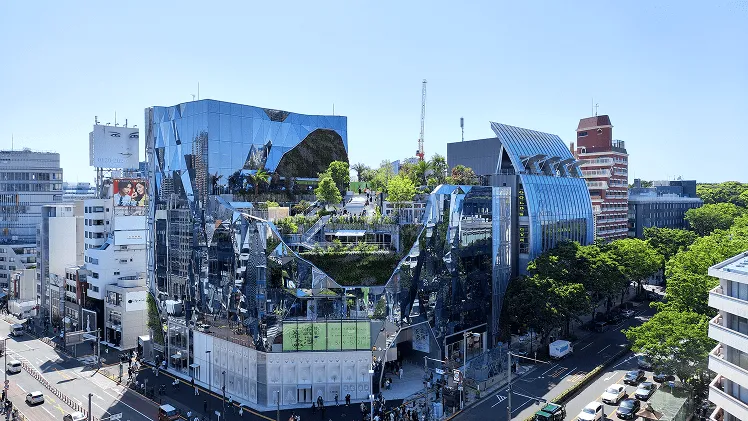
Harajuku is Tokyo’s most unique and vibrant youth street. Having been the epicenter of teenage fashion and kawaii culture since the 1970s, it perfectly captures Tokyo’s appeal, where tradition and modernity coexist. From trendy shopping on Takeshita Street to peaceful worship at Meiji Shrine, all these diverse experiences are within a 10-minute walk. Let’s discover Harajuku, the fashion and culture district, with ESIMJAPAN.com.
| Category | Information |
|---|---|
| Location | Shibuya Ward, Tokyo, JR Harajuku Station on the Yamanote Line |
| Key Features | Youth fashion, kawaii culture, vintage shops & street food |
| Accessibility | 5 minutes by train from Shinjuku or a 15-minute walk from Shibuya |
| Recommended Visit Time | Weekday afternoons 2-6 PM (weekends are crowded) |
| Expected Duration | Half day to full day (4-6 hours, including Meiji Shrine) |
| Main Streets | Takeshita Street, Omotesando & Cat Street |
| Average Budget | $35-100 including shopping & dining |
| Family-Friendly | High (stroller accessible, adjacent to Yoyogi Park) |
Harajuku in Tokyo: Access Guide on How to Get There & Visitor Tips
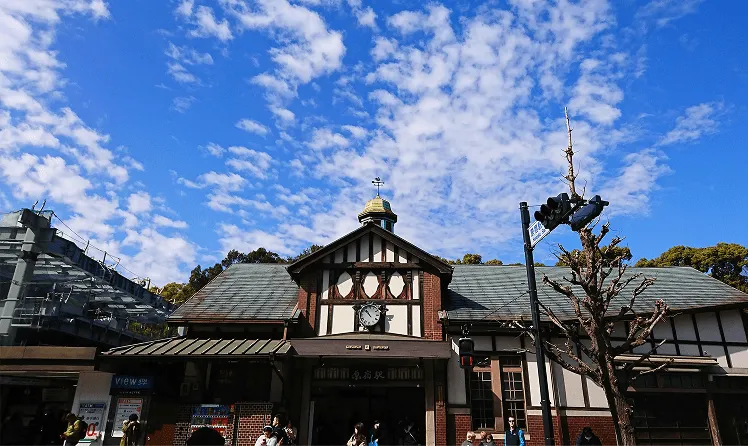
Harajuku Station and Transportation Access
Harajuku is situated in central Tokyo, offering convenient access. JR Harajuku Station on the Yamanote Line is the most common entry point, and also the Chiyoda and Fukutoshin Lines connect directly to Tokyo Metro’s Meiji-jingumae Station.
Travel time from major stations:
- Shinjuku Station: Approx. 5 minutes on JR Yamanote Line
- Shibuya Station: Approx. 2 minutes on the JR Yamanote Line or a 15-minute walk
- Tokyo Station: Approx. 30 minutes on JR Yamanote Line
You’ll head toward Meiji Shrine if you exit through the Harajuku Omotesando Exit, while exiting through the Takeshita Exit brings you directly to the famous Takeshita Street. The new station building, which opened in 2020, features a wooden architecture that harmoniously blends traditional and modern aesthetics.
Tips for Families with Kids
Harajuku is also a suitable destination for a family getaway. Yoyogi Park offers spacious lawns ideal for children to play and run around. The crepe shops and character stores on Takeshita Street are popular among kids.
Important notes for a family vacation:
- It will be difficult to navigate strollers across Takeshita Street on weekends (weekdays are recommended)
- Wearing comfortable sneakers is recommended, as Meiji Shrine has gravel paths
- Omotesando Hills and Tokyu Plaza are equipped with nursing rooms and diaper changing stations
Must-Do Activities in Harajuku in Tokyo
Stroll Down Takeshita Dori
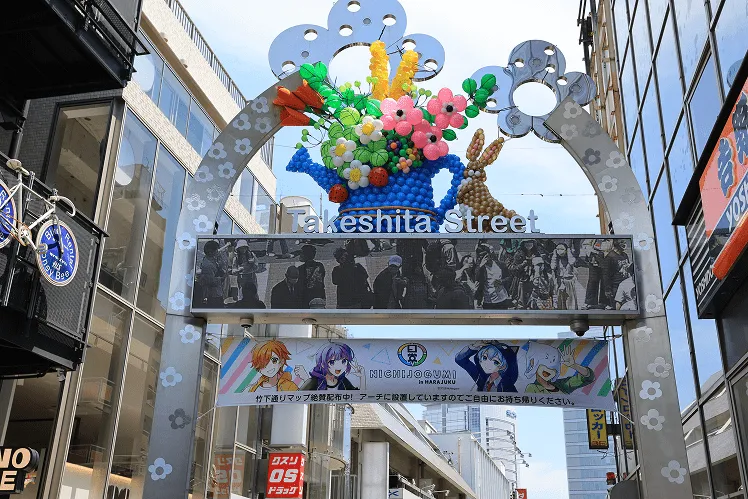
Takeshita Dori is the symbol of Harajuku. This narrow street, approximately 350 meters long, is home to over 100 stores selling trendy clothes, accessories, cosmetics, and character goods.
Established in the 1970s as a hub for youth fashion, this street has transformed into Tokyo’s premier shopping destination, attracting over 30 million visitors annually. Popular stores are crepe shops (Marion Crepes), 100-yen shops (Daiso), and Character stores (Kiddy Land).
Purikura (Sticker Photo) Experience
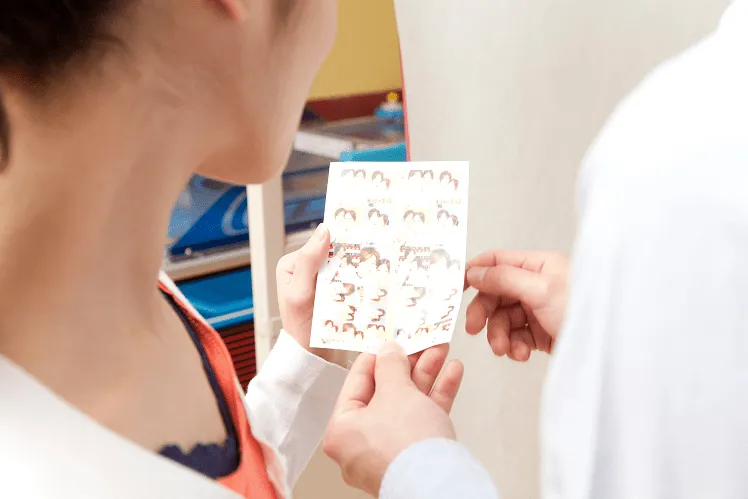
Harajuku is the center of purikura (print club) culture. Purikura is a unique Japanese-style photo booth that digitally edits photos after shooting to enlarge eyes or smooth skin texture. The price is around $3-4 per session, and photos are printed out in sticker form. Takeshita Dori and the nearby buildings feature several purikura specialty booths, with Moreru Mignon and Picnique standing out as the most iconic.
Discover Vintage and Pre-Loved Fashion
Harajuku serves as a vibrant hub for vintage fashion lovers. Kinji is a four-story building offering a curated selection of vintage clothes alongside imported apparel from American and European brands at affordable prices. Ragtag specializes in second-hand luxury brand products. On the other hand, Closet Child primarily sells Lolita and Gothic style clothing.
Recommended vintage shop:
- Kinji Harajuku branch: 4 floors of clothing for all age groups. ($7-30)
- Chicago Harajuku: Casual vintage specialist ($5-20)
- Ragtag: Pre-loved luxury brands ($30-300)
- Closet child: Lolita fashion ($20-100)
Experience Lolita Fashion
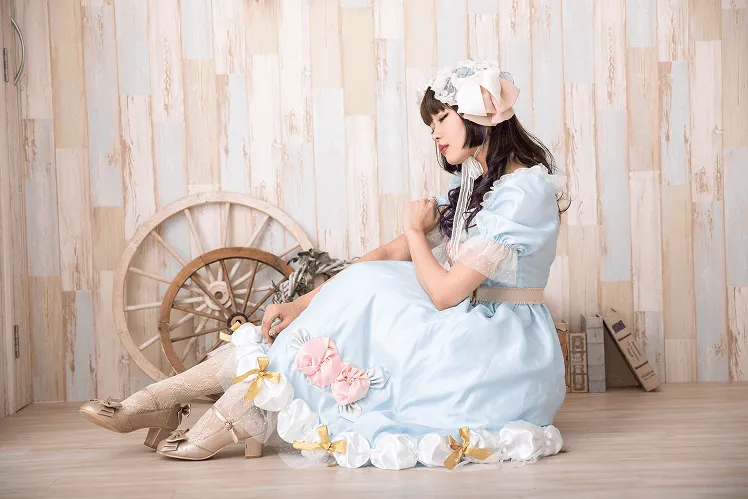
Lolita fashion is a Japanese subculture style inspired by Victorian period dresses and frills. Maison de Julietta, Angelic Pretty, and Baby, The Stars Shine Bright are some of the most famous Lolita brand stores in Harajuku. Some stores offer rental services, so you can roam around Harajuku wearing Lolita attire for a day. Renting attire ranges from $30 to $80, often including hairstyling as part of the package.
Kawaii Goods & Accessory Shopping
Paris Kids is a representative store of kawaii culture, including colorful accessories, stickers, and stationery. Daiso Harajuku is one of Japan’s largest 100-yen shops with 5 floors, where you can purchase travel souvenirs and practical items at affordable prices.
Popular products:
- Character dolls
- Cosmetics & nail art stickers
- Mobile phone case and keychains
- Japanese traditional stationery (masking tape, postcards)
Iconic Places to Visit in Harajuku in Tokyo
Meiji Shrine & Jingu Bridge
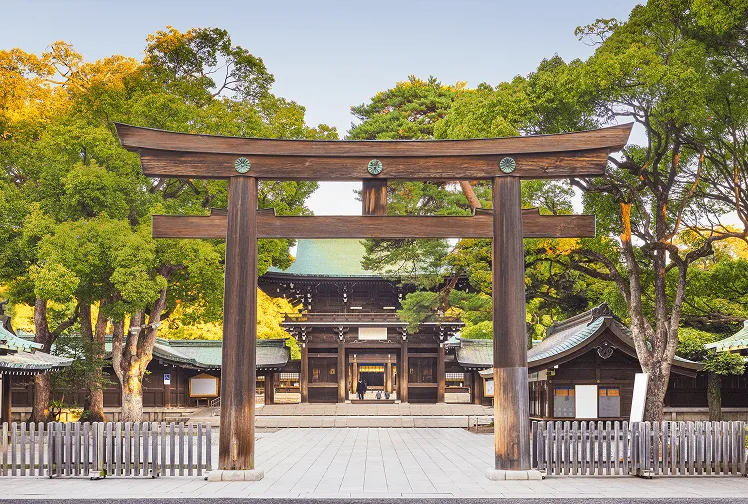
Meiji Shrine is Tokyo’s largest shrine, just a 5-minute walk from the Harajuku Station. The shrine was built in 1920 in honor of Emperor Meiji and Empress Shoken. Meiji Shrine is tucked away in a dense forest spanning 700,000 square meters.
Jingu Bridge, located at the shrine’s entrance, is a popular photo spot where cosplayers, Lolita fashion enthusiasts, and street performers gather every weekend to showcase their vibrant styles and entertain visitors. Travelers can experience traditional shrine worship and modern subculture simultaneously.
Tourist Information
- Admission fee: Free
- Opening hours: Sunrise to Sunset (differs based on seasons)
- Recommended time of visit: 8-10 AM (for quiet worship)
Yoyogi Park (Especially Sunday Atmosphere)
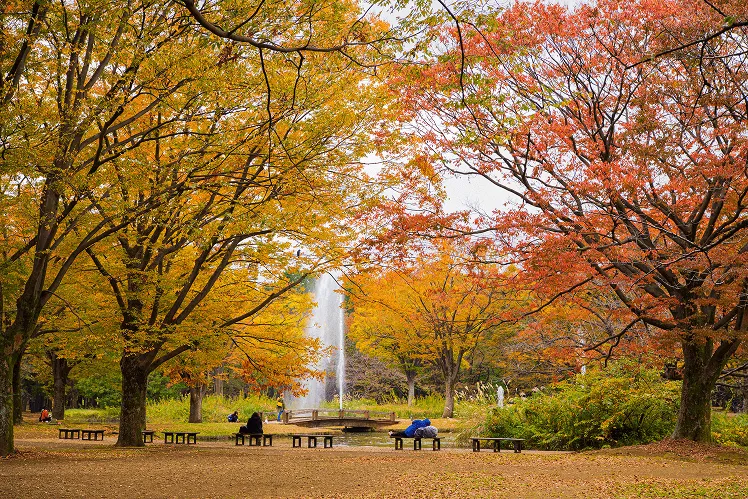
Yoyogi Park is a 540,000-square-meter urban park adjacent to the west of Meiji Shrine. Thousands of people enjoy having a picnic in this park during the cherry blossom season from late March to early April and the autumn season in November.
On Sunday evenings, you can witness various bands, dance teams, and acrobats performing. People gather and enjoy these performances at a relaxed pace. The park also features designated areas for cycling and drone flying.
Omotesando & Cat Street (Architecture, Shopping, Cafes)
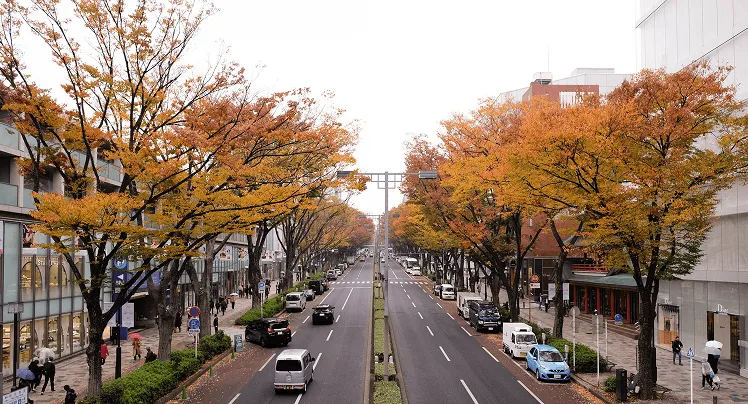
Omotesando is a luxury shopping street known as “Tokyo’s Champs-Élysées. Roughly 1-kilometer-long street lined with ginkgo trees on both sides, surrounded by luxury brand stores and buildings designed by world-renowned architects.
Major Architectural Landmarks:
- Omotesando Hills (designed by Tadao Ando, 2006)
- Tokyu Plaza Omotesando (designed by Hiroshi Nakamura, 2012)
- Prada Aoyama (designed by Herzog & de Meuron, 2003)
- Cat Street is a quiet back alley connecting Omotesando and Shibuya. It is filled with independent boutiques, vintage shops, and aesthetic cafes. This spot is ideal for capturing Instagram-worthy photos, especially on quiet weekday afternoons when the light is soft and the crowds are minimal
Harajuku’s best food
Crepes (Popular store Marion Crepes)
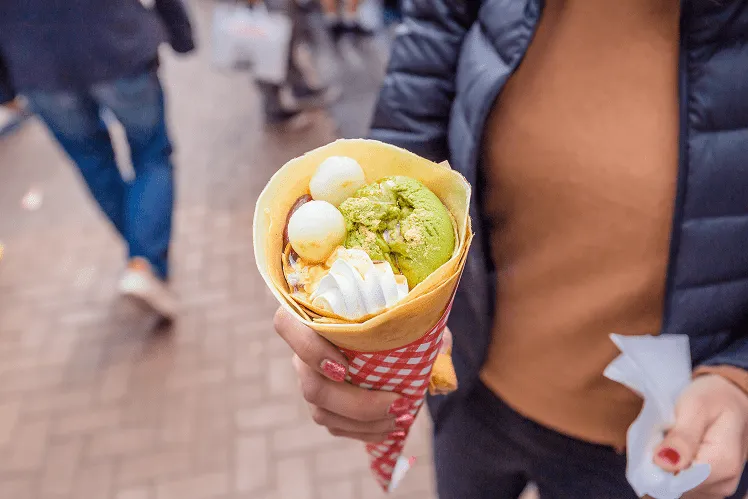
Harajuku’s crepes are a popular street food culture that originated in the 1970s. Marion Crepes is the original crepe shop established in 1976, located at the entrance of Takeshita Street.
Popular menu:
- Strawberry freshcream crepes ($3)
- Chocolate banana ($3.5)
- Green tea ice cream and red bean ($4)
- Tiramisu crepes ($4.5)
These crepes are rolled into a cone shape, making them easy to carry and perfect for enjoying while walking around. Santa Monica Crepes and Angel’s Heart are beloved crepe spots among locals, renowned for their delicious flavors and authentic experience.
Street Food (Takoyaki, Donuts, and Calbee Plus potato chips, etc.)
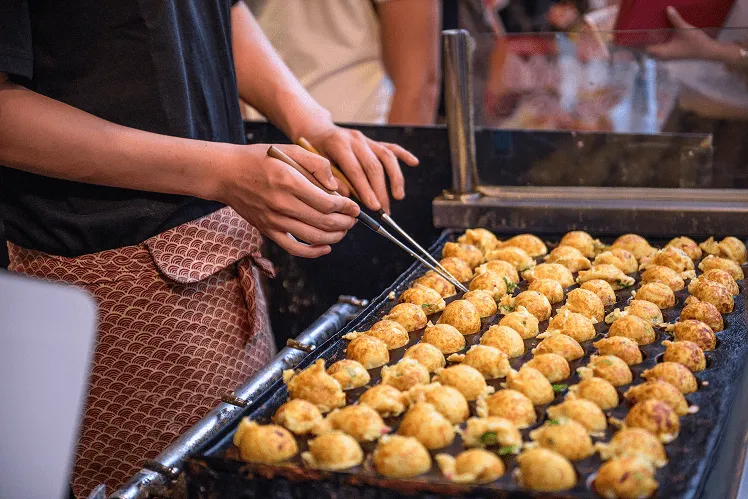
Takeshita Street is a paradise for street food lovers. Takoyaki (octopus balls) are sold in portions of 6 to 8 pieces for around $2 to $3, topped with bonito flakes and savory sauce. Rainbow cotton candy and colorful cheese hot dogs are popular visual treats often seen on Instagram feeds.
Calbee Plus is a specialty potato chip shop offering freshly fried, warm chips topped with a variety of flavors. Prices range from $4 to $5, offering over 20 topping options such as truffle oil, cheese powder, and seaweed seasoning, allowing for plenty of flavorful customization
Local Restaurants
- Harajuku Gyozaro is a cozy restaurant known for its handmade dumplings served in an elegant setting. Lunch sets range from $8 to $10, featuring thin wrappers and juicy fillings.
- Bills Omotesando, run by Australian chef Bill Granger, is a popular brunch café famous for its ricotta cheese pancakes ($10). Expect long waits on weekends, over an hour without a reservation.
- Eco Farm Cafe 632 offers healthy meals made with organic vegetables, including vegetarian and gluten-free options. Lunch sets are priced between $10 and $15.
Cafes & Dessert Spots
Totti Candy Factory is famous for its giant rainbow cotton candy, which stands around 40 cm tall ($7), and is a favorite for Instagram photos. The Great Burger specializes in handmade burgers and milkshakes, a perfect substitute for a full meal.
Recommended Cafes:
- Reissue: Minimalist interior, specialty coffee ($4–6)
- Lattest: Known for latte art and dessert sets ($8)
- Blue Bottle Coffee: Popular American chain with an Omotesando branch ($3-5)
Unique Experiences in Harajuku
Guided tour (Architectural/ Pop culture/Walking Tour)
If you want to delve deeper into Harajuku’s fascinating history, we recommend taking a guided tour. Popular providers, including MagicalTrip, Viator, and GetYourGuide, offer English-language tours, typically priced between $30 and $50 per person.
Tour Types:
- Pop culture Tour: Purikura, Kawaii Shops, and Cosplay Culture Experience (3 hours)
- Architecture Tour: Architectural Highlights of Luxury Stores in Omotesando (2 hours)
- Food Tour: Crepe, Takoyaki, and Ramen Tasting (3 hours)
Go-Kart Tour (Omotesando–Shibuya Course)
The go-kart tour in the style of Mario Kart, known as MariCAR, offers a one-of-a-kind experience where you can drive through the bustling streets of Tokyo dressed in your favorite cosplay costume. The course will take two hours, covering Jarajuku, Shibuya, and Roppongi, and costs around $50 to $65. You require an International Driving Permit to take this tour. Helmets and cosplay costumes are included in the rental fee, and a guide leads the way at the front to ensure road safety. A photo service is also available, allowing you to take commemorative pictures.
Karaoke & Craft Beer Bar Experience
Around Harajuku, you’ll find major karaoke chains such as Big Echo and Karaoke Kan. Prices range from $2 to $4 per hour, per person, with drinks available at an additional cost. Whether you’re into Japanese pop, English classics, or K-pop, these karaoke joints have a diverse song list to fit your preferences.
For craft beer lovers, Two Fingers Harajuku is a must-visit. This cozy bar specializes in Japanese craft brews, featuring more than 20 exciting local varieties to sample. Sip on a refreshing glass priced between $5 and $8, and complement it with tasty snack sets ranging from $10 to $17. It’s the perfect place to unwind and savor Tokyo’s vibrant craft beer scene.
Best Places to Stay in Harajuku
Harajuku Accommodation (Day Trip Rather Than Short Stay)
Harajuku is primarily a commercial district rather than a residential area, so hotel options are limited. Most travelers visit Harajuku for a half-day or full-day itinerary and choose to stay in nearby areas such as Shibuya, Shinjuku, or Akasaka.
Within Harajuku itself, there are a few boutique hotels, such as Trunk Hotel and The Share Hotels Lyuro Tokyo, but prices are relatively high, ranging from $130 to $ 260 per night. For budget travelers, nearby guesthouses or capsule hotels are recommended.
Recommended Nearby Accommodations (Shibuya & Shinjuku Area)
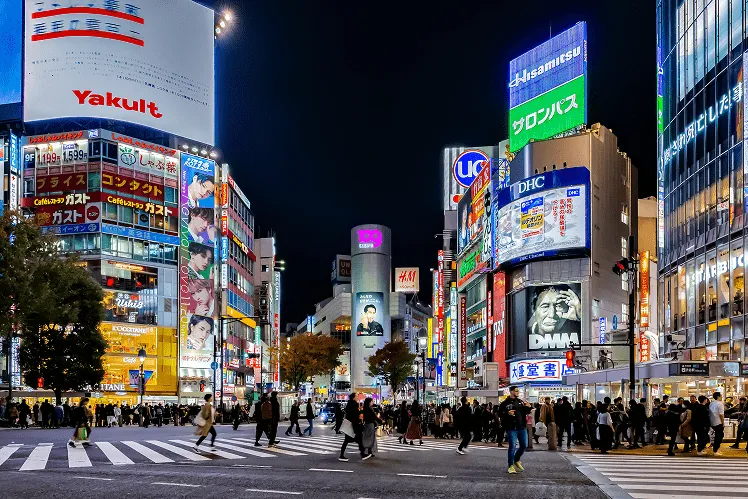
Shibuya: Located just 2 minutes by train from Harajuku, Shibuya offers a wide range of hotel options. Convenient station-area hotels include Shibuya Granbell Hotel ($100/night) and Shibuya Stream Excel Hotel Tokyu ($120/night).
Shinjuku: About 5 minutes by train from Harajuku, Shinjuku is Tokyo’s largest accommodation hub. Remm Shinjuku ($70/night) and Hotel Gracery Shinjuku ($80/night) are both excellent value options. Guesthouses are available for $20–35 per night.
Recommended Booking Platforms:
- Booking.com: Many listings with free cancellation
- Agoda: Good discounts on hotels across Asia
- Airbnb: Ideal for long-term stays
Harajuku Travel Made Easy with ESIMJAPAN.com
We’ve now explored Harajuku’s attractions, must-try experiences, and unique highlights. Would you like to enjoy your trip to Japan without worrying about data while using Google Maps, Instagram, and translation apps? Check out ESIMJAPAN.com‘s data plans. With a simple QR code scan, you can activate your plan instantly and connect right upon arrival, saving you the hassle of buying a SIM card at the airport. Enjoy a smooth and connected travel experience throughout your journey!


Leave a Reply