

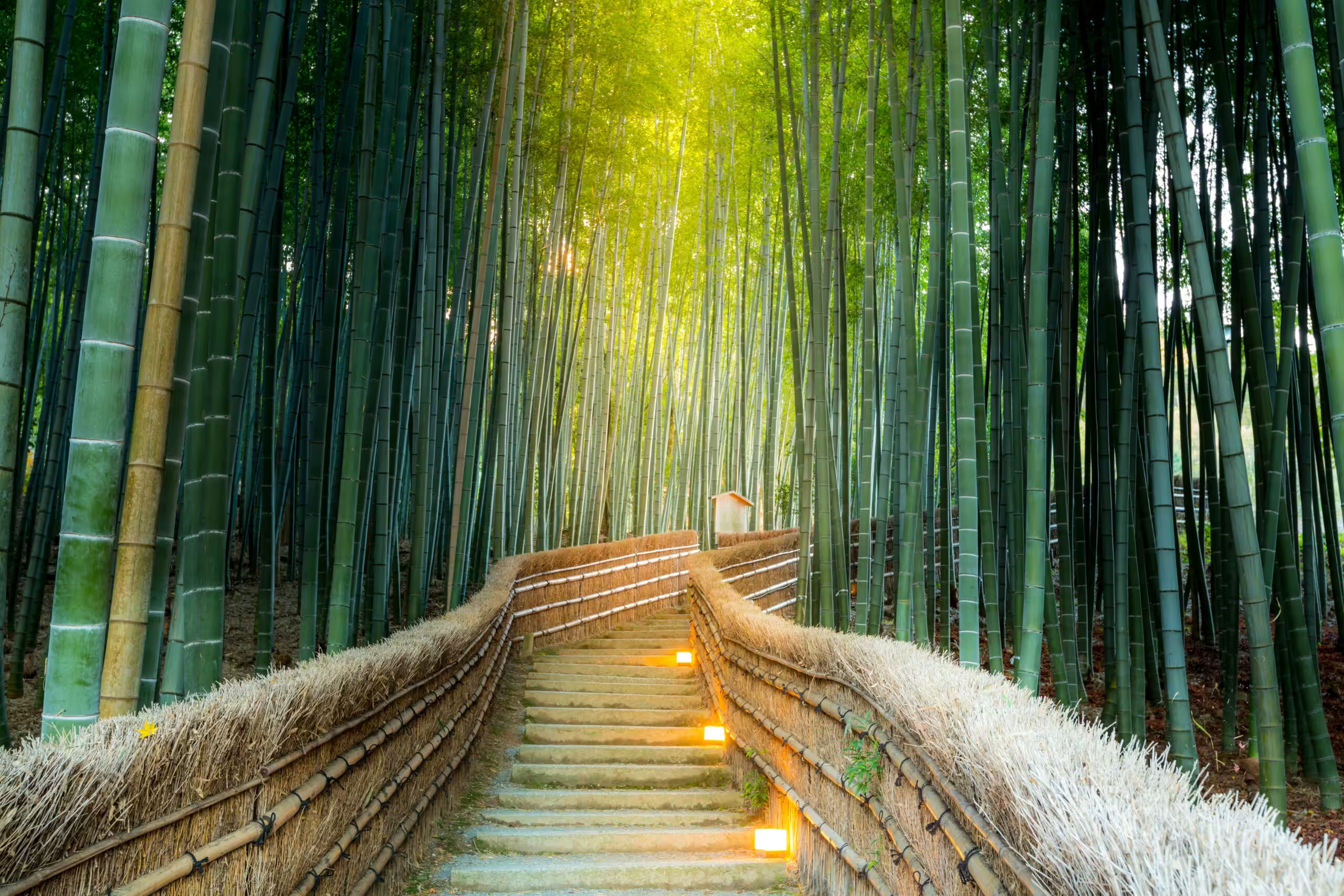
Arashiyama’s bamboo forest is one of the most iconic attractions in Kyoto, captivating travelers with its mystical scenery created by towering bamboo reaching the sky. In this guide by ESIMJAPAN.com, your trusted travel connectivity partner in Japan, we share detailed routes from central Kyoto to the Arashiyama Bamboo Forest, along with nearby temples and shrines you can visit.
How to get to Arashiyama Bamboo Forest from downtown Kyoto?
By JR Saga-Arashiyama Station (JR San-In/Sagano Line from Kyoto Station)
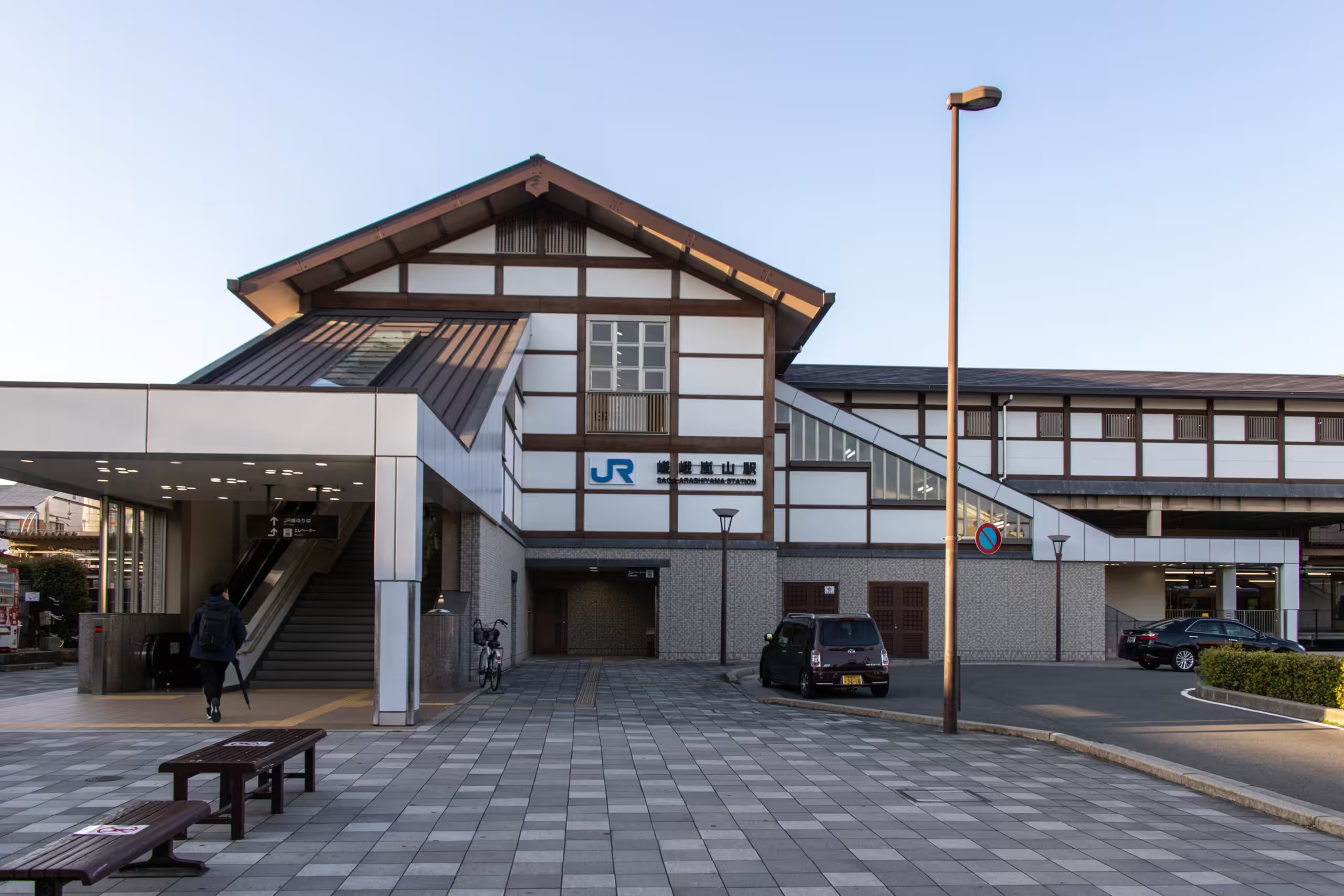
To get to the bamboo forest from Kyoto Station, take the JR San-In Line (Sagano Line) and get off at Saga-Arashiyama Station. The fare is 240 yen (approximately $1.50) and the ride takes about 15 minutes.
From the Saga-Arashiyama Station to the Bamboo Forest, it takes approximately 9–10 minutes on foot. You can easily find the route using Google Maps.
Advantages:
- Fastest and most direct access from Kyoto Station
- JR Pass is accepted
- Convenient for early-morning departures
By Randen (Keifuku) Arashiyama Station (departing from Shijo-Omiya)
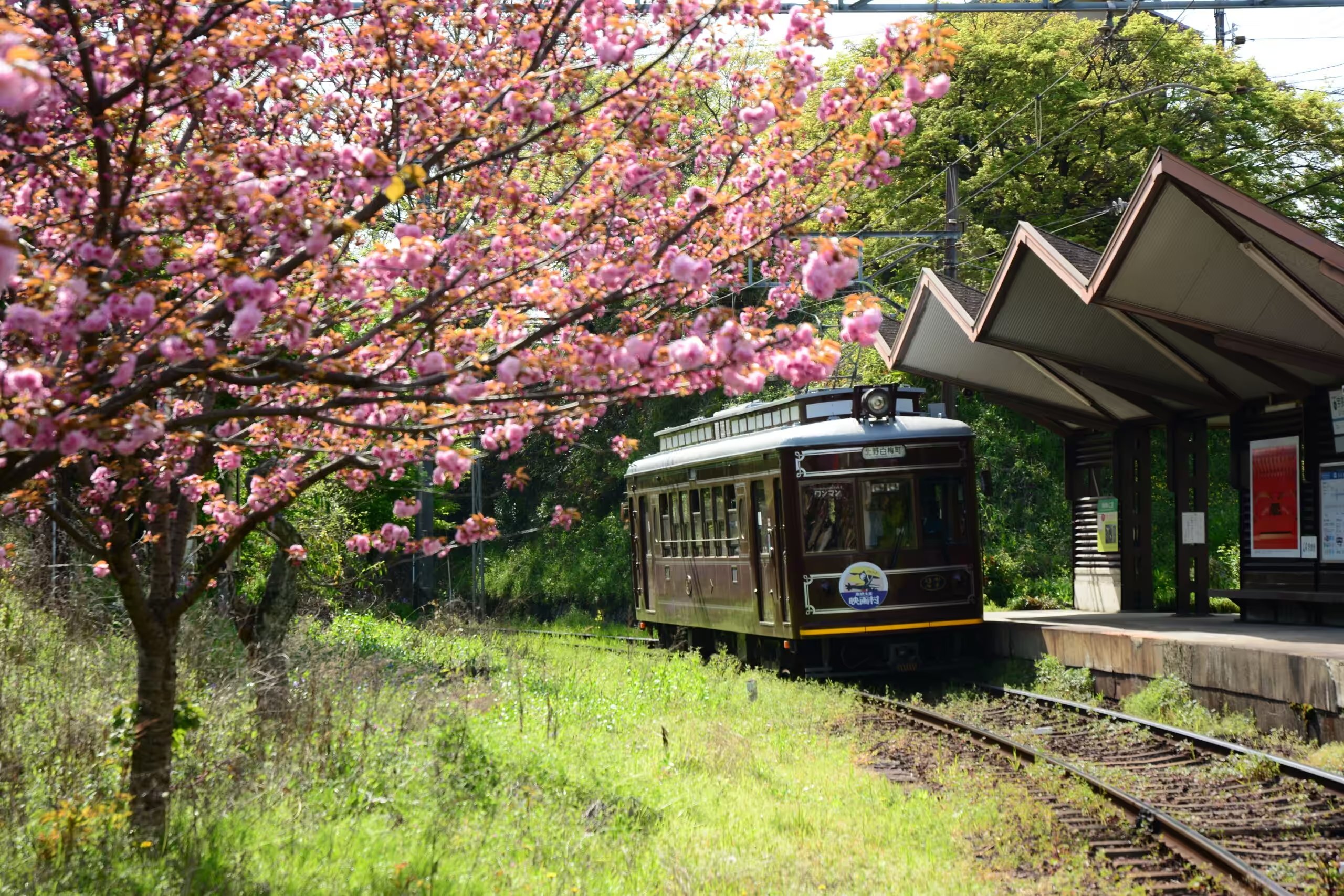
From Shijo-Omiya Station, get on the Keifuku Electric Railway Arashiyama Main Line and ride directly to Arashiyama Station. Once you arrive, it’s just a short 5-minute stroll to the enchanting Bamboo Forest.
Service information:
- Departure Station: Shijo-Omiya (Keifuku Railway)
- Fare: Approximately 220 yen ($1.40)
- Travel Time: 20-25 minutes
- To the Bamboo forest: 5-minute walk
Features of Randen Train:
Randen is Kyoto’s streetcar line, offering a nostalgic, retro atmosphere unique to Japan. Near Arashiyama Station, you’ll also find the “Kimono Forest,” a popular photo spot worth a brief visit.
By Hankyu Arashiyama Station & Sagano Scenic Railway (Torokko Arashiyama Station)
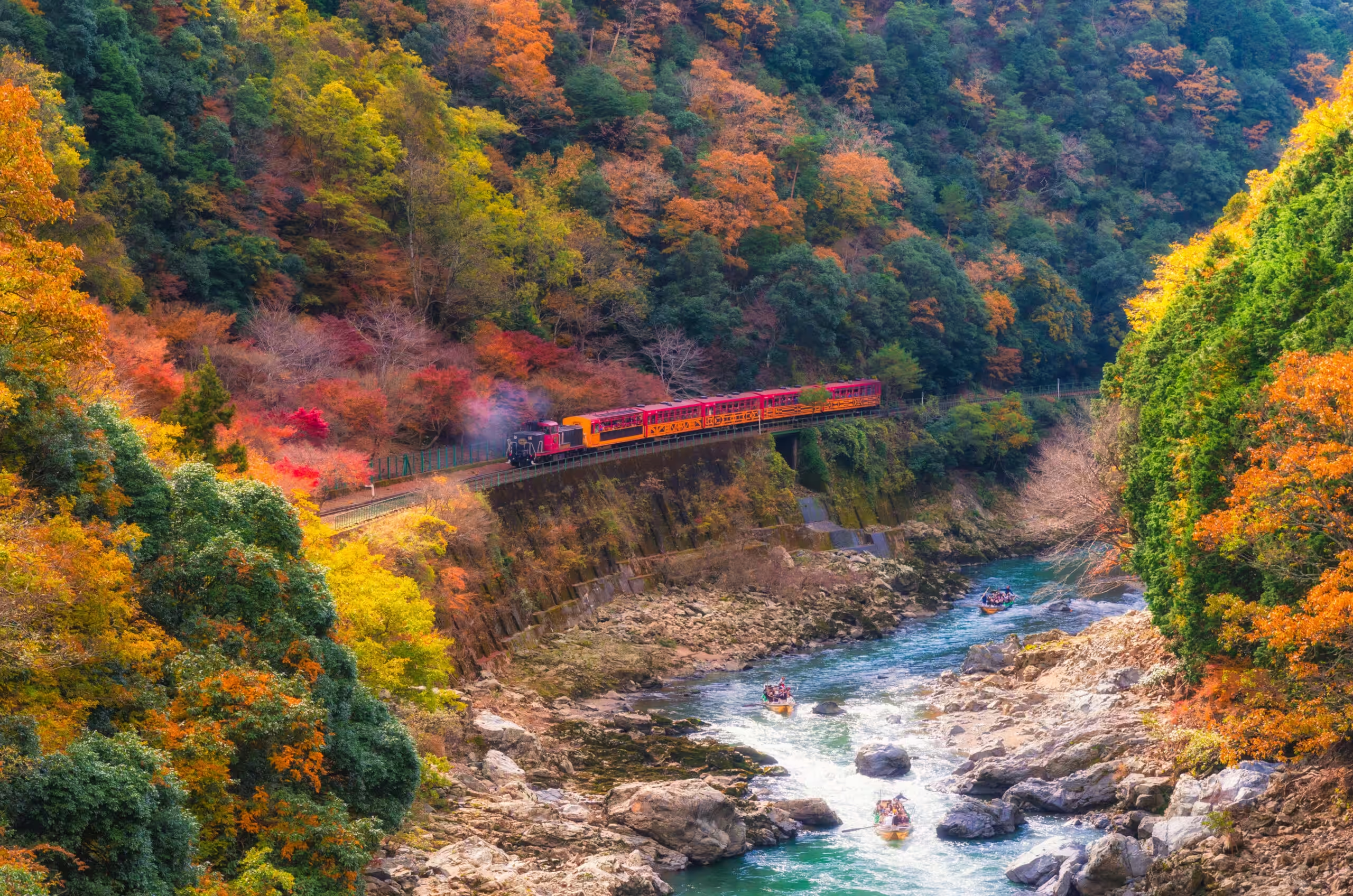
From Kawaramachi or Katsura Station, take the Hankyu Arashiyama Line and get off at Arashiyama Station. The Bamboo Forest is about a 10-minute walk from the station.
Service information:
- Departure Station: Kawaramachi Station or Katsura Station
- Fare: Approximately 220-410 yen (approx. $1.5-2.5) varies by departure station
- Travel Time: About 8 minutes from Katsura Station
- To the Bamboo forest: 10-minute walk
Sagano Scenic Railway (Torokko Train):
If you get off at Torokko Arashiyama Station on the Sagano Scenic Railway, the Bamboo Forest is just a 3-minute walk away. This sightseeing train offers breathtaking scenic views, making it a great choice for travelers seeking a unique experience.
By City Buses (Nonomiya Bus Stop – Routes 11, 28, 93, etc.)
Kyoto city buses also connect to Arashiyama. The main routes are 11, 28, and 93. If you get off at the Nonomiya bus stop, you will be very close to the entrance of the Bamboo Forest.
Bus information:
- Fare: Flat rate of 230 yen (Approx. $1.5) within the city area
- Kyoto City Bus 1-Day Pass: Accepted (1,100 yen, approx.$7)
- Boarding Point: Available in front of Kyoto Station
Important Note:
Kyoto city buses can become extremely crowded during peak tourist seasons. Especially between 10:00 AM and 3:00 PM, waiting times may be long, so be sure to allow enough time while planning your travel.
Routes From Each Station/Bus Stop to the Bamboo Forest Entrance
Enter from the north side of Tenryu-ji Temple: The Bamboo Forest is a 400-meter pathway of bamboo groves that stretches from Nonomiya Shrine to Okochi Sanso Villa through the north side of the World Heritage site Tenryu-ji.
How to Use Google Maps:
- Search for “Arashiyama Bamboo Forest” or “Chikurin-no-Komichi“
- Start navigation from your current location
- Set it to walking navigation mode
- Nearby Landmarks are Tenryu-ji Temple, the North Gate, and Nonomiya Shrine
Arashiyama Bamboo Forest Walking Path & Best Time to Visit
Two Main Walking Paths
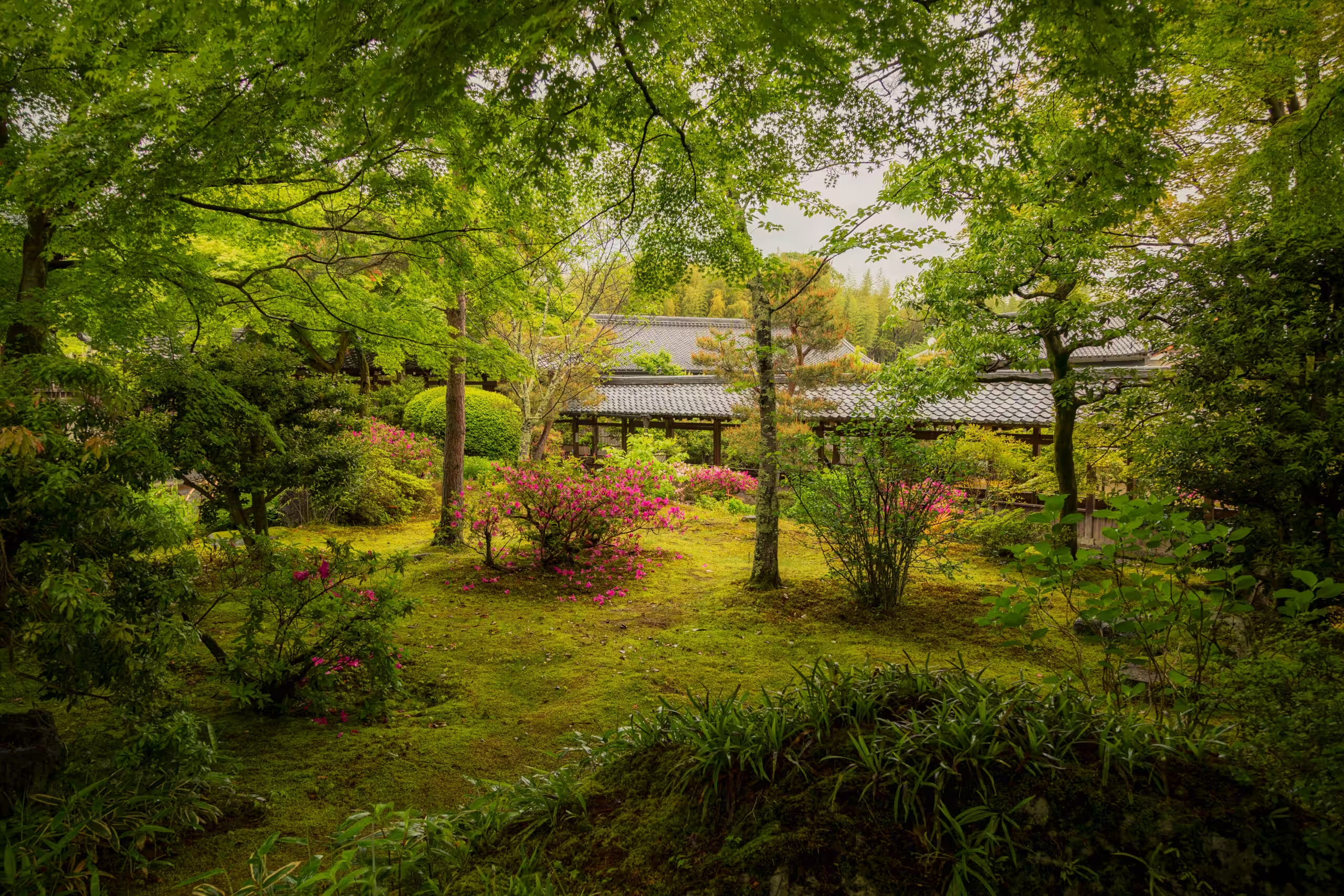
Chikurin-no-Komichi (Main Path)
This is the primary 400-meter walking route stretching from Nonomiya Shrine through the north gate of Tenryu-ji Temple and leading toward Okochi Sanso Garden. Towering bamboo on both sides forms a natural tunnel, creating a dreamy atmosphere.
Chikurin Sansaku-ro (Extended Paths)
There are also narrow paths connected to the main walking trail. They are relatively less crowded and recommended for those who want a quiet stroll.
Selected as One of the “100 Soundscapes of Japan”
Arashiyama’s Bamboo Forest was chosen for the 100 Soundscapes of Japan because of the beautiful rustling sound of bamboo leaves swaying in the wind.
Best Seasons and Times to Visit (Cherry Blossoms, Autumn Leaves / Early Morning to Late Morning)
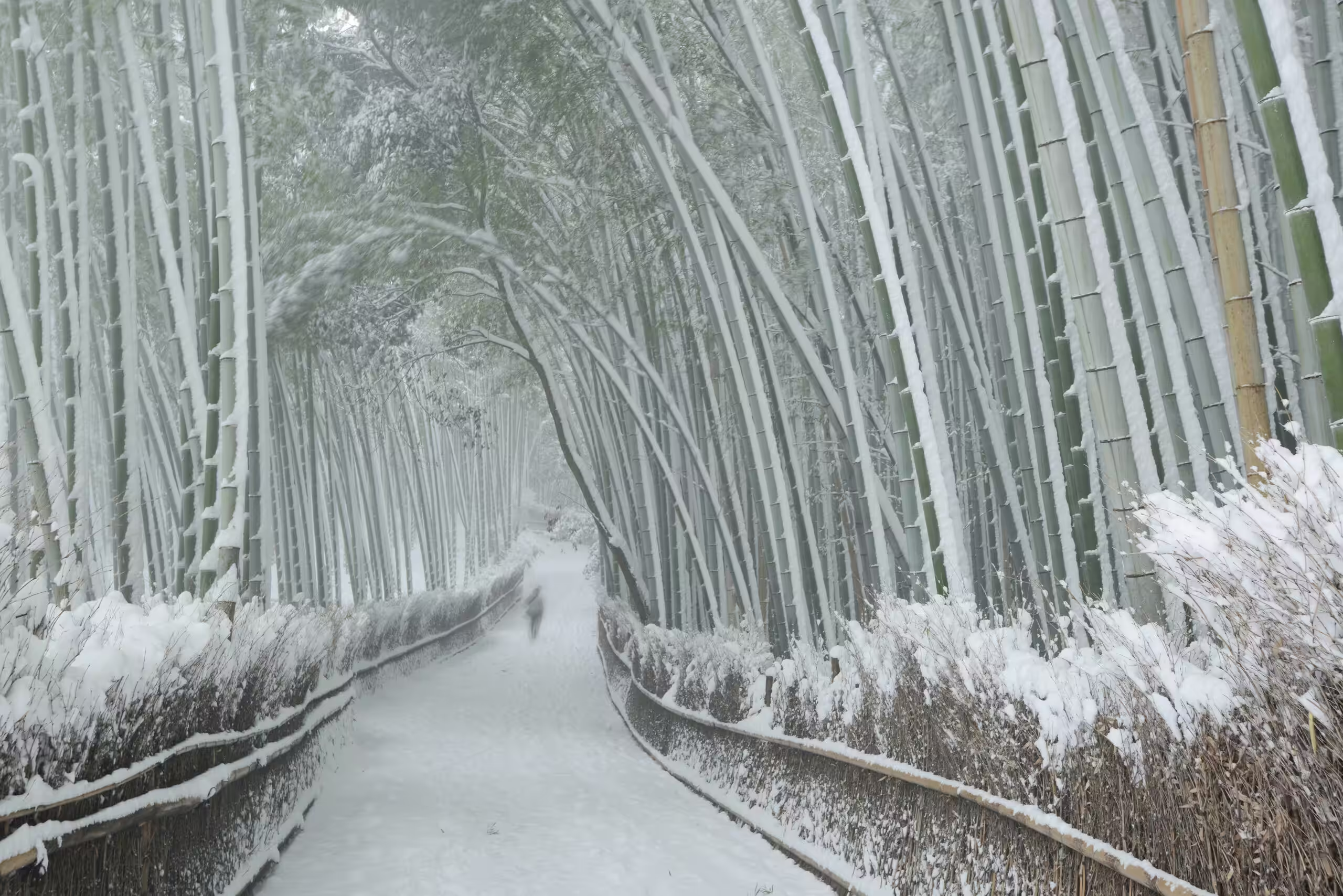
Seasonal Highlights:
- Spring (March–April): Cherry blossoms blend beautifully with the bamboo
- Summer (June–August): Lush green foliage and a refreshing shaded walk
- Autumn (November): A stunning mix of autumn colors and bamboo
- Winter (December–February): A serene bamboo forest covered in snow
Best time to visit:
Visiting early in the morning provides a pleasant atmosphere and the best lighting conditions for photography. The least crowded times are between 7:00 and 9:00 AM or after 5:00 PM.
December Light-Up Event:
Every December, the “Arashiyama Hanatōro” event is held, where the Bamboo Forest is illuminated at night, offering a magical viewing experience.
Entrance Fee, Visiting Time, and Tips to Take Pictures
Entrance Fee:
There is no admission fee for the Arashiyama Bamboo Forest. Anyone can walk through the area freely.
Actual Time Needed:
- One-way walk: About 10–15 minutes
- Round trip with photos: About 30–40 minutes
- Including nearby temples: 1–2 hours
Less Crowded Areas & Deeper Spots:
If you walk deeper toward the Okochi Sanso side rather than staying near the main entrance, you’ll find fewer tourists. Starting from the north gate of Tenryu-ji is also a good way to avoid crowds.
Photo Tips:
- Capture the sunlight filtering through the bamboo for beautiful backlit shots
- For portraits, stand a little distance away from the bamboo to create depth
- Avoid heavy green filters, as natural lighting works best
Exploring Arashiyama’s Temples and Shrines
Tenryu-ji Temple
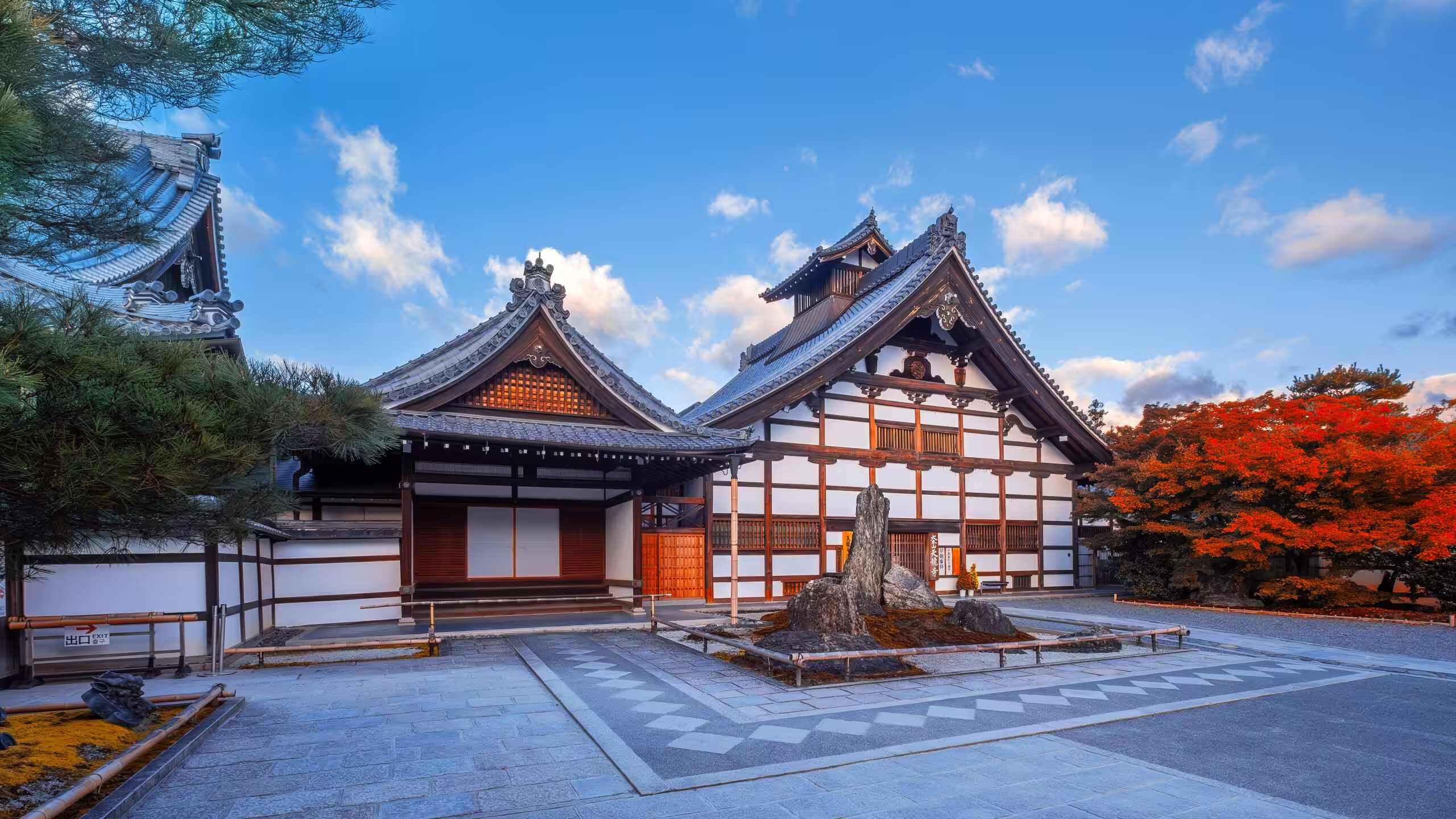
Significance:
Tenryu-ji was built by shogun Ashikaga Takauji to honor the spirit of Emperor Go-Daigo and is designated as a UNESCO World Heritage Site. The temple’s name “Tenryu” translates to “Heavenly Dragon,” inspired by a dream Ashikaga Tadayoshi, Takauji’s brother, had of a golden dragon ascending to heaven. Despite suffering repeated destruction by fires over centuries, the temple has been rebuilt several times, preserving its heritage.
Admission Fees:
- Garden Only: Adults 500 yen (approx. $3), Elementary/Junior high students 300 yen (approx. $2)
- Garden and Main Hall: Adults 800 yen (approx. $5), Elementary/Junior high students 600 yen (approx. $4)
- Unryu-zu (Dragon Ceiling Painting): Additional 500 yen (approx. $3)
Opening Hours: 8:30 AM – 5:00 PM (hours may vary by season)
Highlights:
The Sogenchi Garden is the first garden in Japan to be designated a Special Place of Scenic Beauty. It features a stunning shakkei (borrowed scenery) design using Arashiyama as its natural backdrop.
Tenryu-ji Shigetsu (Temple Restaurant):
Located within Tenryu-ji, Shigetsu is a temple-style vegetarian restaurant that was selected for the 2023 Michelin Guide Kyoto Bib Gourmand. It serves traditional Buddhist vegetarian cuisine (shojin ryori) and is open only for lunch (11:00–14:00).
Nonomiya Shrine
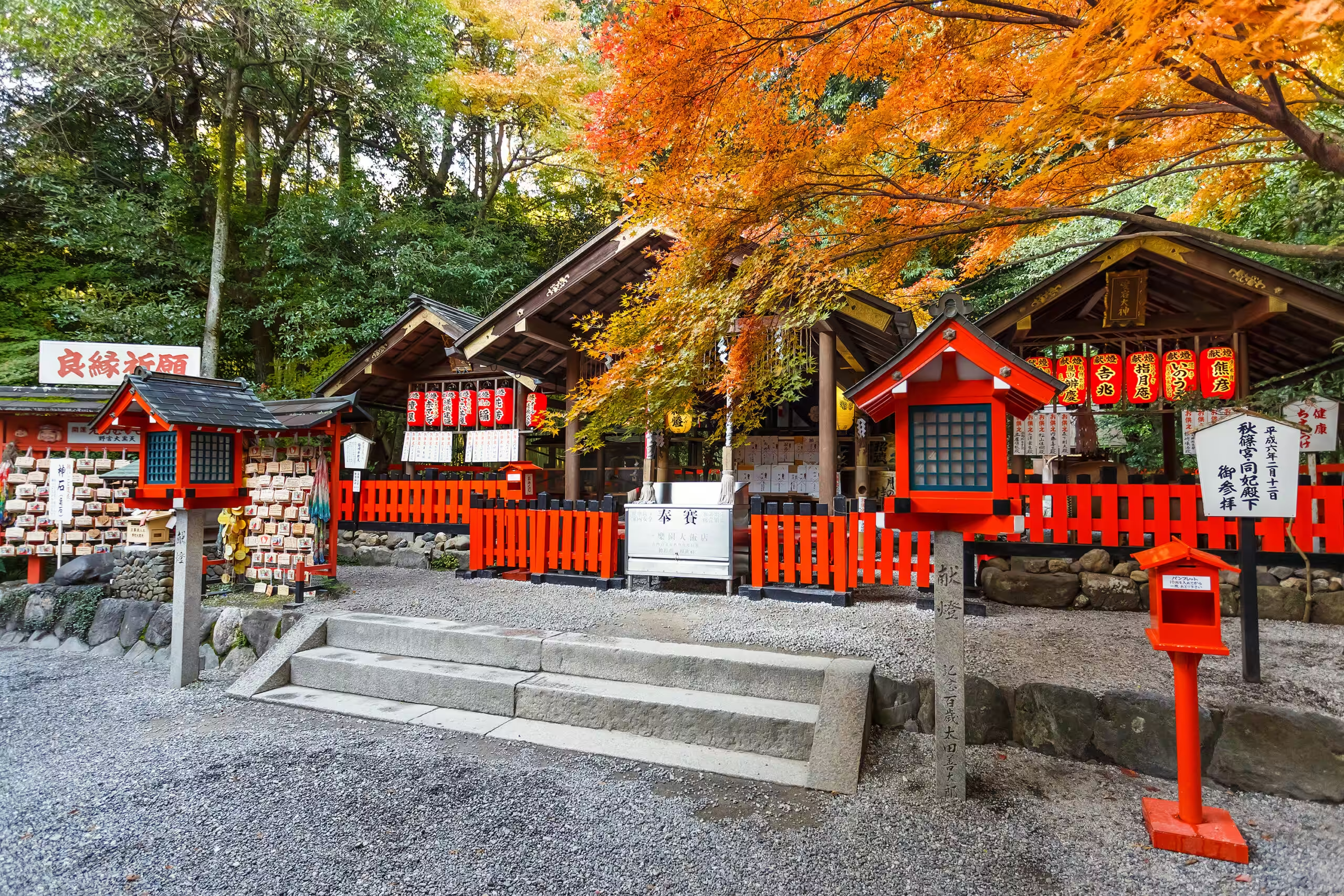
Significance:
Originally, Nonomiya Shrine was a historically significant purification site where the imperial princess, known as the Saio, would stay for one year to cleanse and prepare herself before traveling to serve at the Ise Grand Shrine.
Main Features:
- Black Torii Gate: A unique torii made from unprocessed oak
- Kame-ishi (Turtle Stone): A carved stone believed to grant wishes within one year when you rub it
- Love Fortune Water: Visitors can write their wish on paper and float it on the water
Admission fee: No admission fee required
Opening Hours: Open 24 hours
Nonomiya Shrine is a historic Shinto shrine located in the Sagano area of Kyoto’s Arashiyama district, near the famous Bamboo Forest Path. The Shrine is dedicated to deities who bless matchmaking, fertility, and safe childbirth, making it particularly popular among young women. It is conveniently situated right at the entrance of the Bamboo Forest path, making it easy to visit along the walk.
Adashino Nenbutsu-ji
Significance:
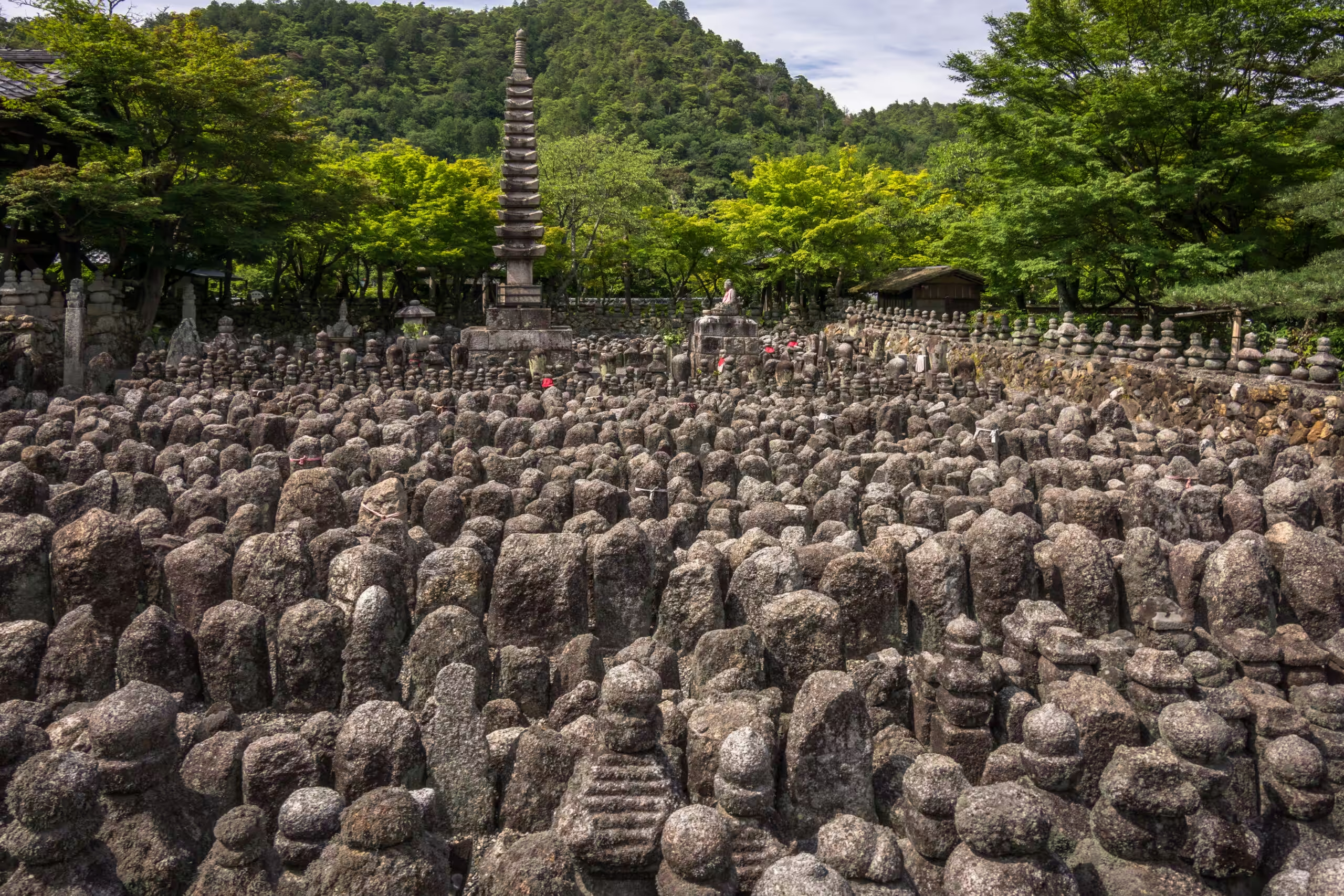
Adashino Nenbutsu-ji is a temple situated on the outskirts of the Arashiyama area, renowned for its unique landscape featuring about 8,000 stone statues. It was built to honor the souls of those without relatives and offers a moving atmosphere, especially during the autumn foliage season.
Main Features:
- Thousands of small stone statues and stone pagodas are arranged throughout the grounds
- Quiet, solemn, and contemplative atmosphere
- Located about a 20–30 minute walk from the main tourist areas
Visiting Tips: Public transportation is limited, so this destination is best suited for travelers with ample time who prefer a slower, more relaxed pace.
Okochi Sanso
Significance:
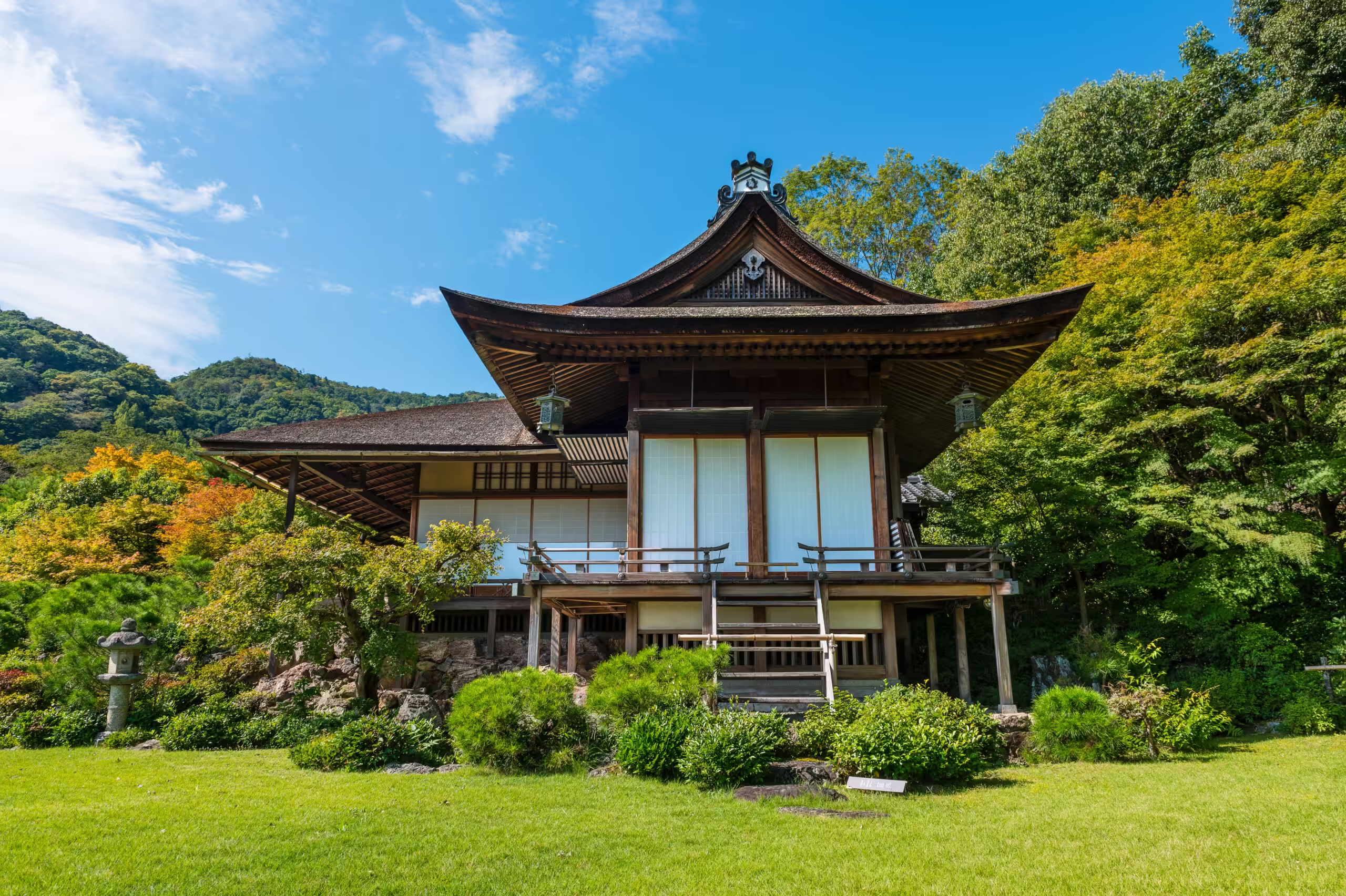
Okochi Sanso is a villa built by the famous early 20th-century Japanese film actor Okochi Denjirō. Located in Arashiyama, Kyoto, the villa was developed over about 30 years from the 1930s to 1962, blending traditional Japanese architecture with beautiful landscaped gardens. Denjirō Ōkōchi designed the villa with a philosophy rooted in Zen and nature, creating a serene retreat that would be a lasting legacy beyond his acting career. After he died in 1962, the villa was opened to the public and remains privately managed by his family. Okochi Sanso is located at the far end of the Bamboo Forest walking path, making it an ideal spot to relax and unwind after exploring the Bamboo Forest.
Admissions fee: The entrance fee is 1,000 yen(approx. $7), which includes matcha tea and a traditional Japanese sweet.
Opening Hours: 9:00 AM – 5:00 PM, open year-round
Highlights:
- Beautiful Japanese-style garden
- Scenic viewpoint overlooking Kyoto city
- Teahouse and traditional architectural structures
Transportation Comparison
| Transportation | Departure Station | Fare | Travel Time | Walking to the Bamboo Forest |
|---|---|---|---|---|
| JR San-In Line | Kyoto Station | 240 yen (approx $1.5) | 15 min | 9-10 min |
| Randen (Keifuku) Tram | Shijo-Omiya Station | 220 yen (approx $1.4) | 20-25 min | 5 min |
| Hankyu Railway | Katsura Station | 220 yen (approx $1.4) | 8 min | 10 min |
| City Bus | In front of Kyoto Station | 230 yen (approx $1.5) | 40-50 min | Right by the stop |
Temple & Shrine Admission Summary
| Site | Admission | Hours | Key Features |
|---|---|---|---|
| Bamboo Forest | Free | 24 hours | Approx. 400m walking path |
| Tenryu-ji Garden | 500 yen (approx. $3) | 08:30–17:00 | UNESCO World Heritage Site |
| Nonomiya Shrine | Free | 24 hours | Shrine of matchmaking |
| Okochi Sanso | 1000 yen (approx $6) includes tea and sweets | 09:00–17:00 | Japanese garden & scenic viewpoint |
Your Complete Guide to Enjoying the Arashiyama Bamboo Grove
Arashiyama’s Bamboo Forest is a must-visit destination for anyone traveling to Kyoto. With convenient access, just 15 minutes from Kyoto Station, free admission, and several UNESCO World Heritage temples nearby, it’s easy to plan an efficient and rewarding itinerary.
Visiting early in the morning allows you to enjoy a peaceful walk through the bamboo grove and fully appreciate the gentle sound of bamboo leaves swaying in the wind. Combined with the stunning gardens of Tenryu-ji, the spiritual atmosphere of Nonomiya Shrine, and the panoramic views at Okochi Sanso, you could easily spend an entire day in Arashiyama and still want more. Make your Kyoto journey smoother with reliable high-speed data. Stay connected with ESIMJAPAN.com throughout your Arashiyama adventure.


Leave a Reply